
Dashcam footage can provide valuable evidence after a New Hampshire car accident because it may capture the collision, traffic signals, vehicle movements, road conditions, and events immediately before impact. When drivers disagree about what happened, objective video can help attorneys, insurers, and jurors evaluate competing accounts. This evidence can be especially significant under New Hampshire’s comparative fault law, RSA 507:7-d, because a driver’s percentage of responsibility can directly affect the compensation available after a crash.
If you were injured in a collision, preserving available video should be one of the early steps considered in protecting your claim. Tenn And Tenn, PA helps injured people investigate New Hampshire car accidents, preserve evidence, address insurance disputes, and pursue compensation from responsible parties. Dashcam footage is not required to have a valid claim, but when useful footage exists, it can provide evidence that is difficult to dispute.








Why Dashcam Footage Can Be Valuable After a Car Accident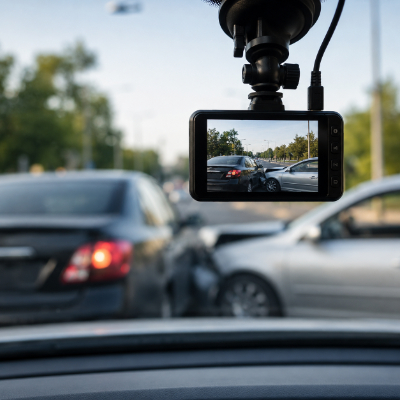
Most car accidents happen within seconds. Afterward, the people involved may remember those seconds differently.
One driver might insist that the traffic light was green. Another may claim that a vehicle changed lanes without warning. A driver accused of following too closely may argue that the vehicle ahead stopped suddenly.
A dashcam can sometimes answer these questions without relying solely on memory.
Depending on its position, quality, and field of view, a camera may capture:
- The moments leading up to the collision
- Traffic lights and stop signs
- Lane markings
- A driver’s lane change
- Approximate vehicle movements and spacing
- Pedestrians, bicycles, or other vehicles
- Weather and visibility
- Road construction or hazards
- The impact itself
- Events immediately after the crash
Video does not automatically establish negligence. It still needs to be considered alongside police reports, witness accounts, vehicle damage, photographs, medical evidence, and other information. Yet clear footage can become one of the most persuasive pieces of evidence in a disputed accident claim.
Dashcam Video Can Help Establish Who Caused the Crash
A successful car accident claim generally requires evidence showing that another party’s negligence caused the claimant’s injuries and losses.
Consider a driver traveling through a New Hampshire intersection when another vehicle enters from a side road and causes a collision. The other driver later tells the insurance company that the injured motorist was speeding or ignored the traffic signal.
Without independent witnesses or video, the dispute may become one driver’s account against another driver’s account.
If dashcam footage clearly shows the traffic signal and movements of the vehicles, the evidence may substantially change that dispute.
Dashcam evidence can be particularly useful in crashes involving allegations of:
- Running a red light or stop sign
- Unsafe lane changes
- Failure to yield
- Following too closely
- Distracted driving
- Sudden turns
- Aggressive driving
- Unsafe passing
- Driving too fast for existing conditions
The video may also identify another vehicle or witness who might otherwise have been overlooked during the initial investigation.
Dashcam Evidence May Matter When Fault Is Disputed
Fault is especially significant in New Hampshire because the state follows a modified comparative fault system.
Under RSA 507:7-d, an injured plaintiff’s fault does not prevent recovery when that fault is not greater than the fault of the defendant, or the defendants collectively when recovery is permitted against multiple defendants. Any damages awarded are reduced according to the percentage of fault attributed to the plaintiff.
In practical terms, a person who is 50 percent or less at fault may still recover damages, subject to a reduction based on that person’s share of fault. A plaintiff who is 51 percent or more at fault cannot recover under this rule.
Imagine that an insurer argues you were 30 percent responsible for an accident because you supposedly drifted into another lane. If your dashcam shows that you remained within your lane while the other vehicle crossed the lane marker, that footage could provide evidence against the insurer’s version of events.
When percentages of fault affect the value and viability of a claim, objective evidence can carry substantial weight.

James J. Tenn, Jr.
Attorney

Mary Elizabeth Tenn
Attorney

John J. Tenn
Attorney
Can the Other Driver’s Dashcam Help Your Claim?
Yes. Your own vehicle is not the only potential source of dashcam evidence.
The other driver may have a camera. A commercial vehicle involved in the crash may use onboard recording equipment. Rideshare vehicles, delivery vehicles, buses, witnesses, and nearby motorists may also have captured relevant footage.
Other potential video sources include:
- Business surveillance cameras
- Residential security cameras
- Traffic-related cameras, when footage is available
- Parking garage cameras
- Police body-worn or cruiser cameras
- Cellphone videos recorded by witnesses
Some recordings are retained for only a limited period. Identifying and pursuing potential video evidence promptly can prevent valuable evidence from disappearing.
An experienced New Hampshire car accident lawyer can investigate potential sources of footage and determine what steps may be available to seek preservation of relevant evidence.
What Should You Do With Dashcam Footage After an Accident?
If your dashcam recorded a collision, preserve the original footage immediately.
Some cameras automatically overwrite older recordings once their storage becomes full. A crucial recording could therefore disappear if the device continues operating normally.
After a crash, consider these steps:
- Save the original recording. Protect the complete file rather than keeping only a short clip.
- Create a backup. Store another copy in a secure location.
- Do not edit the video. Cropping, adding effects, changing playback speed, or otherwise modifying footage can create unnecessary disputes concerning authenticity.
- Preserve surrounding footage. Video from before and after the collision may provide useful context.
- Do not post the footage publicly. Social media publication can complicate a claim and reveal evidence before your attorney has evaluated it.
- Give your attorney access to the original file. Your lawyer can assess what the recording shows and how it fits with the remaining evidence.
Preservation matters because evidence is most useful when its authenticity and context can be established.
Can Dashcam Footage Ever Hurt Your Claim?
Yes.
A dashcam records what happened, not necessarily what the camera owner hoped happened.
Footage might show that the injured driver was speeding, following another vehicle closely, changing lanes, becoming distracted, or taking another action that contributed to the collision. Audio can create separate legal issues as well.
New Hampshire’s recording laws require particular care where audio is involved. RSA 570-A regulates interception and recording of certain communications and contains specific exceptions. New Hampshire law also recognizes an exception for inadvertent audio recordings of conversations or video recordings of events occurring in public places.
The legal treatment of a particular recording can depend on what was recorded, where it occurred, whether audio was captured, and the circumstances surrounding the recording. A driver should not assume that every audio recording made by a dashcam is automatically lawful or admissible.
If your camera recorded an accident, an attorney can review the footage and the circumstances surrounding it before the recording is provided to an insurance company or posted publicly.
See What Our Clients Are Saying About Us

Attorney John Tenn and his entire team are amazing people! If you need a lawyer, he is the man to call! He handled my case in a professional matter and took the stress out of it all.
Mallory C.

The whole team were very professional and responsive. My case was effectively handled with good communication during the process. Very satisfied with the outcome. Highly recommend!
A. McMillan
What If the Dashcam Did Not Record the Actual Impact?
The footage may still be useful.
A camera could show the other driver weaving between lanes minutes before a collision. It might record severe rain, snow, glare, construction, or limited visibility. Rear-facing footage could show another vehicle approaching rapidly before a rear-end crash.
Audio or video recorded after the collision may also preserve potentially relevant details, although the legality and admissibility of recorded communications should be evaluated carefully.
A lawyer investigating the accident can determine whether the footage supports the claim when considered with other evidence.
Dashcam Footage Is Only One Part of a Strong Accident Claim
Even clear video does not establish the full value of an injury claim.
A car accident case may require evidence documenting both liability and damages. Depending on the circumstances, that evidence could include:
- Medical records
- Medical bills
- Wage and employment records
- Photographs of injuries
- Vehicle damage
- Police reports
- Witness statements
- Expert analysis
- Documentation of future medical needs
- Evidence concerning pain and limitations caused by the injuries
The firm’s existing website includes substantial New Hampshire automobile accident and injury content that can support related internal linking opportunities.
Video may answer the question of how the collision happened. Medical, financial, and other evidence helps establish what the collision cost the injured person.
Do Not Wait Too Long to Protect a New Hampshire Accident Claim
Preserving evidence quickly is different from the legal deadline for filing a lawsuit, but both matter.
Under RSA 508:4, most New Hampshire personal actions must be brought within three years of the act or omission at issue, subject to the statute’s discovery provision and other exceptions established by law.
Waiting can still create problems long before the statutory deadline arrives. Video can be overwritten. Witnesses can become difficult to locate. Vehicles can be repaired. Physical evidence can disappear.
Prompt investigation gives an attorney a better opportunity to identify and preserve the evidence needed to present the claim.
Speak With a Trusted New Hampshire Car Accident Attorney Today
If you were injured in a New Hampshire car accident and dashcam or other video footage may exist, preserving that evidence could make a significant difference in a disputed claim.
Tenn And Tenn, PA represents people injured in motor vehicle accidents throughout New Hampshire. Our attorneys can investigate the crash, evaluate dashcam and surveillance footage, address allegations of comparative fault, document your losses, negotiate with insurers, and pursue appropriate compensation. The firm offers free consultations.
Contact us today to schedule a confidential consultation and learn how we can help protect your rights after a New Hampshire car accident.
Millions in Verdicts & Settlements
The attorneys at Tenn And Tenn are ready to help you solve your legal problems and obtain results.
$9,000,000
Pedestrian Accident
$2,225,000
Motorcycle Collision
$2,224,000
CarAccident


 |

 |