DUI Sobriety Checkpoints in New Hampshire

DUI Sobriety Checkpoints in New Hampshire

With Law Offices in Manchester, NH

Do You Need Legal Help?

    DUI Sobriety Checkpoints in New Hampshire

    DUI Sobriety Checkpoints in New Hampshire

    With Law Offices in Manchester, NH


    Do You Need Legal Help?
      DUI Sobriety Checkpoints in New Hampshire

      With Law Offices in Manchester, NH

      Do You Need Legal Help?

        See What Our Clients Are Saying About Us

        Attorney John Tenn and his entire team are amazing people! If you need a lawyer, he is the man to call! He handled my case in a professional matter and took the stress out of it all.

        Mallory C.

        The whole team were very professional and responsive. My case was effectively handled with good communication during the process. Very satisfied with the outcome. Highly recommend!

        A. McMillan

        I was recently in need of a New Hampshire lawyer. I was put in touch with John Tenn. He went above and beyond for me to make sure I got the best help. Tenn and Tenn thank you for being so helpful!


        Brianna R.

        Tenn and Tenn

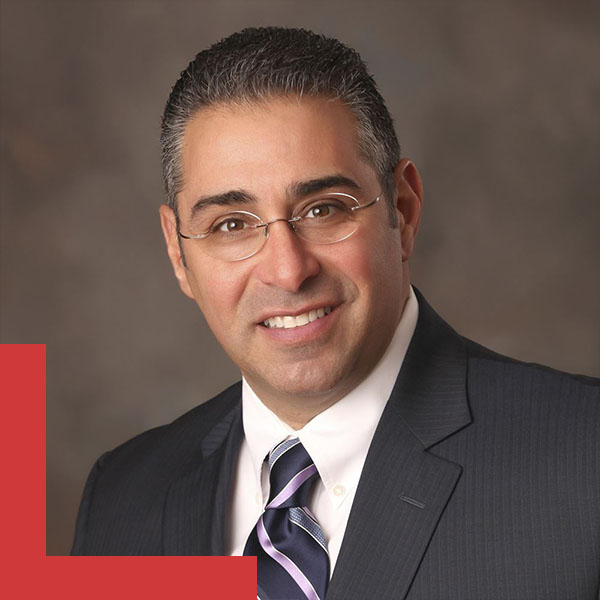
        James J Tenn Jr

        James J. Tenn, Jr.
        Attorney

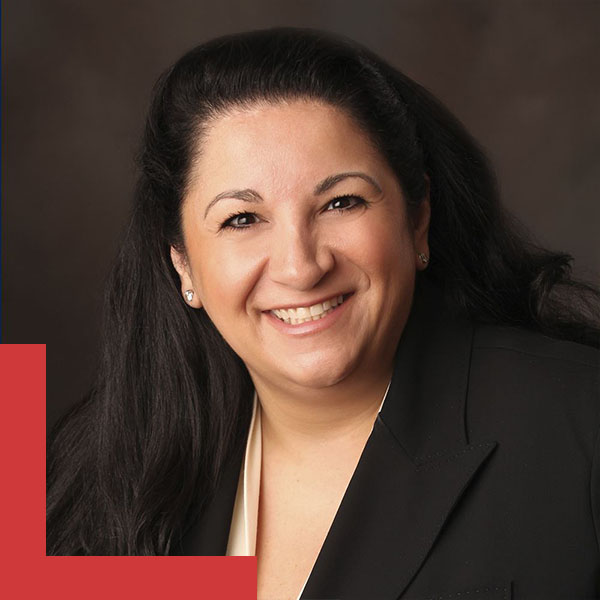
        Mayre Tenn

        Mary Elizabeth Tenn
        Attorney

        John Tenn

        John J. Tenn
        Attorney

        Working hard to obtain the best results possible for our clients and fighting to protect their rights.

        7 Critical Mistakes to Avoid in Your New Hampshire DWI Case

        Download our free DWI guide to learn what you should and shouldn't do regarding your case.

        Enter your information below to receive your free pdf guide.

        DUI Sobriety Checkpoints in New Hampshire

        New Hampshire DWI Lawyers

        Law enforcement agencies throughout New Hampshire regularly use sobriety checkpoints, or DUI roadblocks to detect and deter people from driving while intoxicated. Although many New Hampshire citizens believe DUI roadblocks or sobriety checkpoints are a violation of their Constitutional rights and are an illegal search, the United States Supreme Court held in Michigan Department of State Police v. Sitz, 496 U.S. 444 (1990), that the sobriety checkpoint in question did not violate the Fourth Amendment prohibition against unreasonable search and seizure. Local police must obtain judicial permission for a sobriety checkpoint and it must be conducted according to certain specifications.

        In New Hampshire, sobriety checkpoints must be conducted in a constitutionally permissible manner following a specific set of “guidelines”. These guidelines relate to such matters including the preparation, location, pre-checkpoint publicity, and operation of the sobriety checkpoint. The National Highway Traffic Safety Administration (NHTSA) has a published report which recommends a set protocol for the operation of sobriety roadblocks. And, the New Hampshire Attorney General’s Office has disseminated guidelines for New Hampshire law enforcement agencies to follow when conducting a sobriety checkpoint.

        We help people with DWI/DUI defense in the following locations: Alstead, Amherst, Andover, Antrim, Atkinson, Auburn, Bedford, Bennington, Berlin, Boscawen, Bow, Bradford, Brentwood, Brookline, Candia, Canterbury, Cheshire, Chester, Chesterfield, Chichester, Claremont, Concord, Deerfield, Deering, Derry, Dover, Dublin, Exeter, Francestown, Franklin, Goffstown, Greenville, Hampton Beach, Hampton, Hancock, Harrisville, Hooksett, Hudson, Keene, Laconia, Lebanon, Londonderry, Manchester, Merrimack, Nashua, Pelham, Portsmouth, Rochester, Somersworth, and Windham.

        BG Waves-Bottom
        Frequently Asked Questions About DUI Sobriety Checkpoints in New Hampshire
        Yes. Although some drivers believe sobriety checkpoints violate their Constitutional rights, the United States Supreme Court ruled in Michigan Department of State Police v. Sitz (1990) that properly conducted sobriety checkpoints do not violate the Fourth Amendment’s prohibition against unreasonable search and seizure. In New Hampshire, local police must obtain judicial permission before conducting a sobriety checkpoint.
        New Hampshire sobriety checkpoints must be conducted according to a specific set of constitutional guidelines governing preparation, location, pre-checkpoint publicity, and operation. The National Highway Traffic Safety Administration (NHTSA) has published a recommended protocol for sobriety roadblocks, and the New Hampshire Attorney General’s Office has issued guidelines that all NH law enforcement agencies are required to follow.
        All drivers approaching a sobriety checkpoint must stop and answer routine questions. Officers will ask for your license and registration, inquire about your origin or destination, and ask whether you have been drinking or have any alcohol or drugs in the vehicle. Some officers use flashlights equipped with a passive alcohol sensor. If an officer suspects impairment, the driver will be asked to exit the vehicle and perform Standardized Field Sobriety Tests.
        Drivers who are suspected of impairment at a sobriety checkpoint are typically asked to submit to a breath or blood test. These tests are often conducted in the New Hampshire DUI Mobile Command Center, stationed at or near the checkpoint. This vehicle is equipped with an Intoxilyzer 5000, an industry-standard breath alcohol analysis instrument. The attorneys at Tenn And Tenn, PA are professionally trained in all aspects of maintaining, calibrating, and evaluating results from this equipment.
        If field sobriety testing and breath or blood alcohol tests indicate impairment, you will be charged and taken into custody. The consequences of a DUI conviction in New Hampshire can be serious and long-lasting, including fines, potential jail time, increased motor vehicle insurance premiums, and a criminal record reflecting the offense for at least ten years.
        Yes. If law enforcement failed to follow the required constitutional guidelines when conducting the checkpoint — including proper judicial authorization, location selection, publicity requirements, or operational procedures — the arrest and any resulting evidence may be subject to challenge. An experienced New Hampshire DWI defense attorney can evaluate whether the checkpoint in your case was conducted in compliance with all applicable rules.
        BG Waves-Bottom

        Related Blog Posts

        Pulled Over on the Way to Laconia Motorcycle Week: What Riders Should Know About DWI Stops in New Hampshire

        Motorcyclists heading to Laconia Motorcycle Week face increased law enforcement presence due to the event’s [...]

        Underage DWI After Prom in New Hampshire: License Consequences Parents Must Understand

        Tenn And Tenn, PA often consults with families whose teenagers face serious consequences after being [...]
        How DUI Testing Works in New Hampshire

        New Hampshire law enforcement officials have the right to stop any vehicle on a state [...]
        What Is Implied Consent in New Hampshire DUI?

        If you get pulled over on suspicion of DUI in New Hampshire, it might come [...]
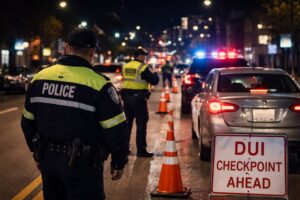
        Manchester DUI Arrests Spike in April: What Local Drivers Need to Know

        Tenn And Tenn, PA has observed a concerning spike in DUI arrests in Manchester this [...]
        Why New Hampshire Sees a Rise in DUI Charges After Winter

        Tenn And Tenn, PA has observed a consistent pattern over the years: as winter comes [...]
        Cold-Weather DUI Stops: What Drivers Should Expect From Officers

        Cold-weather DUI stops come with specific considerations for both officers and drivers. In New Hampshire, [...]
        What Prosecutors Look For When Building a Winter DWI Case in New Hampshire

        During the winter months, the challenge of defending against a DWI charge in New Hampshire [...]

        The Checkpoint Process

        All drivers passing through a checkpoint must stop and be indiscriminately asked a few routine questions. When a driver approaches a sobriety checkpoint, he or she will be immediately asked to produce his or her license and registration. The driver will then generally be asked about his origination or destination, whether he had been drinking, and if there is any alcohol or drugs in the car. Some states have officers approach your vehicle with a flashlight that is equipped with a passive alcohol sensor. If an officer has reason to suspect that the driver had been drinking or is under the influence of alcohol or drugs, the driver will immediately be asked to step from the vehicle to perform a series of Standardized Field Sobriety Tests. The driver will usually be asked to also submit to a breath or blood test, which test is often conducted in the New Hampshire DUI Mobile Command Center, which will be stationed at or near the sobriety checkpoint. The command center vehicle is equipped with an Intoxilyzer 5000 which is an industry standard breath alcohol analysis instrument. Our attorneys are professionally trained in all aspects of maintaining, calibrating, and evaluating the results of this equipment. If the field testing and breath or blood alcohol tests conclude you are under the influence you will be charged and taken into custody. The consequences of a DUI can be costly and long-lasting. Fines, jail time, motor vehicle insurance premium increases, and your criminal record indicating an offense for at least ten years will all have an effect on your life.

        Client Reviews

        The team of people who work for this firm are some of the most professional and personable individuals I have ever known. You can trust their knowledge and expertise. They are absolutely a five star organization.

        Nick L.

        Read More Reviews