
Fall foliage season brings heavy recreational travel across New Hampshire, and a DWI arrest during a weekend drive, dinner outing, brewery visit, wedding, or leaf-peeping trip can quickly create legal and licensing problems.
Under New Hampshire law, you may face a DWI charge for driving or attempting to drive while impaired by alcohol, drugs, certain medications, or another impairing substance. You may also face a DWI charge for driving with an alcohol concentration of 0.08 or higher. For drivers under age 21, the statutory alcohol concentration threshold is 0.02.
A DWI case can involve two separate processes: a criminal court case and an administrative license matter. Tenn And Tenn, PA helps drivers understand these parallel processes, preserve important evidence, and evaluate defenses based on the facts of the stop, testing, and arrest.










Why Fall Foliage Season Can Lead to More Complicated DWI Stops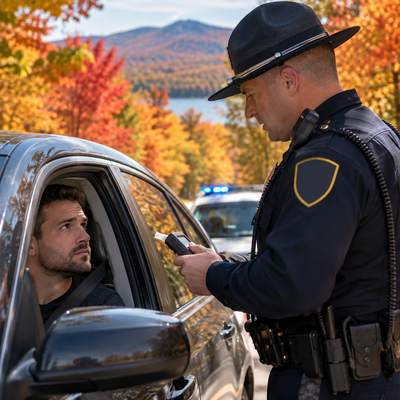
Fall foliage season brings recreational traffic through Manchester, Concord, the Lakes Region, the White Mountains, and nearby areas. Familiar routes can feel different when traffic is heavier, daylight fades earlier, and drivers are following scenic roads or unfamiliar directions.
Those conditions do not excuse impaired driving, but they can matter when an attorney evaluates why an officer believed a driver was impaired.
For example, you may drift within a lane while looking for a turn, slow unexpectedly near a scenic pull-off, or make a late lane change after missing a route marker. An officer may view the same movement as a possible sign of impairment.
The legal question is not simply whether unusual driving occurred. The surrounding facts can matter, including:
- Traffic patterns
- Road layout
- Visibility
- Weather and lighting conditions
- The officer’s observations
- What happened after the vehicle stopped
- Whether video evidence supports the written report
New Hampshire DWI Law Applies During Every Season
New Hampshire RSA 265-A:2 prohibits driving or attempting to drive while under the influence of alcohol, drugs, certain medications, or another impairing substance. It also prohibits driving with an alcohol concentration of 0.08 or higher. For a driver under age 21, the statutory alcohol concentration threshold is 0.02.
A driver does not need to be involved in a crash to be arrested. A DWI investigation may begin after a traffic stop, a report from another driver, an encounter at a sobriety checkpoint, or an officer’s observation of driving conduct.
For more information about the defense process and evidence that may be reviewed, visit:
https://www.tennandtenn.com/new-hampshire-dwi-lawyers/

James J. Tenn, Jr.
Attorney

Mary Elizabeth Tenn
Attorney

John J. Tenn
Attorney
What Happens After a DWI Arrest in New Hampshire
A DWI arrest can trigger more than one legal process. The criminal case generally proceeds through the court system. A separate administrative license suspension may arise from a chemical test result or a refusal to submit to testing after arrest.
That distinction matters because license-related deadlines can arrive before you feel ready to make decisions about the criminal case.
For more information about the steps that can follow an arrest, visit:
https://www.tennandtenn.com/after-a-dwi-arrest-in-new-hampshire/
For a first DWI conviction under RSA 265-A:2, current New Hampshire law provides for a Class B misdemeanor, a minimum $500 fine, required impaired-driver programming, and a driver’s license revocation of at least nine months and up to two years. The court may suspend part of the revocation period when statutory conditions are satisfied.
For a qualifying first post-arrest refusal, when there is no prior DWI or aggravated DWI conviction and no prior refusal, current law provides for a 180-day administrative suspension.
New Hampshire has enacted a change that takes effect January 1, 2027. Under that change, the suspension period for a qualifying first refusal increases from 180 days to nine months. Certain repeat-refusal suspension periods also increase. The law that applies depends on the date of the alleged offense and the facts of the driver’s record.
License deadlines can move independently from the criminal case. Missing an administrative deadline can affect your driving privileges even while the court case is still pending.
Millions in Verdicts & Settlements
The attorneys at Tenn And Tenn are ready to help you solve your legal problems and obtain results.
$9,000,000
Pedestrian Accident
$2,225,000
Motorcycle Collision
$2,224,000
CarAccident
What Police May Look for During a Fall Traffic Stop
A DWI investigation often develops in stages. An officer may begin with observations of the vehicle and then look for signs that the driver may be impaired.
Common observations can include:
- Lane position or unusual braking
- Speed that appears inconsistent with traffic conditions
- Odor of alcohol
- Slurred speech
- Difficulty answering questions
- Open containers or visible alcohol
- Admissions about drinking
- Performance on standardized field sobriety tests
- Breath, blood, or urine test results
None of these items should be viewed in isolation. A defense may examine whether the officer had a lawful basis for the stop, whether instructions were clear, whether testing was administered correctly, and whether video evidence matches the written police report.
For more information about roadside breath testing, visit:
https://www.tennandtenn.com/the-preliminary-breath-test-pbt-in-new-hampshire/
Fall Conditions Can Affect the Context of Field Sobriety Testing
Field sobriety tests are often presented as standardized exercises, but the conditions in which they are conducted can vary.
During foliage season, a roadside stop may occur:
- On a narrow shoulder
- Near moving traffic
- On uneven pavement
- In poor lighting
- In cold or wet weather
- After a long day of travel
You may also be wearing boots or other seasonal footwear.
These facts do not automatically invalidate a field sobriety test. They may still be relevant when reviewing whether the test was administered and scored in a way that fairly reflects your condition.
A defense lawyer may review body-camera footage, cruiser video, photographs of the location, dispatch records, and the officer’s report. If the stop occurred near a busy scenic route or in an unfamiliar area, the physical setting may help explain driving behavior that appears suspicious in a short written description.
A Foliage-Season DWI Scenario
Consider a driver returning to Manchester after a day trip north. Traffic has been slow. The driver misses an exit, makes a late lane change, and brakes. A trooper then initiates a stop. After approaching the vehicle, the officer smells alcohol and begins a DWI investigation.
The prosecution may focus on:
- The lane movement
- The braking
- Odor of alcohol
- Field sobriety testing
- Statements made during the stop
- Any chemical test result
The defense may examine a broader timeline:
- Was the lane change unsafe, or was it a reaction to a missed exit?
- Did the video show steady driving before the stop?
- Were field sobriety tests performed on a suitable surface?
- Were instructions given clearly and correctly?
- Was any breath or blood testing conducted in compliance with applicable procedures?
- Do the officer’s written observations match available video?
The answers depend on the evidence. Seasonal travel conditions can provide context, but they do not replace a fact-specific legal defense.
Aggravated DWI Charges Can Carry More Serious Consequences
Some circumstances can lead to an aggravated DWI charge under New Hampshire RSA 265-A:3.
Depending on the statutory subsection and facts of the case, aggravated DWI can involve circumstances such as:
- An alcohol concentration of 0.16 or higher
- Driving more than 30 miles per hour above the applicable speed limit
- Attempting to elude law enforcement
- Causing a collision that results in serious bodily injury
- Carrying a passenger under age 16 while committing DWI
- Other aggravating circumstances listed in the statute
Aggravated DWI can expose you to greater fines, longer license loss, mandatory incarceration in some circumstances, and ignition interlock requirements.
If aggravating allegations are present, early review of crash evidence, test results, medical records, speed evidence, and officer observations can be especially significant.
What to Do After a Fall-Season DWI Arrest
After an arrest, practical steps can help preserve information and protect your ability to make informed decisions:
- Keep all paperwork from the police, court, and New Hampshire Division of Motor Vehicles.
- Write down the route you drove, where you stopped, what you ate or drank, and the timing of key events while the details remain fresh.
- Save receipts, ride-share records, photographs, messages, and location history that may help establish a timeline.
- Do not ignore administrative license notices or hearing deadlines.
- Avoid discussing the facts of the case on social media.
- Speak with a New Hampshire DWI attorney before making assumptions about the strength of the evidence.
For an overview of possible DWI consequences, visit:
https://www.tennandtenn.com/penalties-for-a-new-hampshire-dui/
If your case arose in Manchester or nearby areas, visit:
https://www.tennandtenn.com/manchester-dui-and-criminal-defense-attorneys/
How a New Hampshire DWI Lawyer Can Help
A DWI charge is not the same as a conviction. The evidence must still be examined under New Hampshire law and the rules that govern traffic stops, arrests, chemical testing, administrative proceedings, and court procedure.
A lawyer may evaluate:
- Whether the traffic stop was lawful
- Whether probable cause supported the arrest
- Whether field sobriety tests were conducted properly
- Whether breath, blood, or urine testing followed required procedures
- Whether test equipment and records raise reliability issues
- Whether police reports match video evidence
- Whether administrative deadlines were met
- Whether evidence should be preserved before it becomes unavailable
Tenn And Tenn, PA offers consultations for people facing DWI charges in New Hampshire. An initial consultation can help you understand what happened, what legal processes may follow, and what options may be available based on the facts of your case.
Speak With a New Hampshire DWI Attorney
A foliage-season DWI arrest can affect your ability to drive, work, travel, and manage family responsibilities long after the leaves have fallen.
If you were arrested for DWI in Manchester or elsewhere in New Hampshire, Tenn And Tenn, PA can review the facts, explain the criminal and administrative processes, and help you understand your next steps.
You can also learn more at:
https://www.tennandtenn.com/new-hampshire-dwi-lawyers/
This article is for informational purposes only and is not legal advice. Consult an attorney about your specific situation.


 |

 |