
Summary
New Hampshire’s fall foliage season brings residents and visitors onto scenic roads across the state. During peak foliage periods, drivers may encounter heavier traffic, unfamiliar vehicles slowing for turns or scenic stops, wet leaves, low-angle sunlight, changing visibility, and frequent braking. These conditions do not automatically make any driver responsible for a crash. Fault generally depends on whether one or more drivers failed to use reasonable care under the circumstances.
If you were injured in a fall foliage traffic accident, evidence from the scene can be especially useful because traffic, lighting, weather, and road conditions can change quickly. Photographs, video, witness information, police observations, medical records, and other records may help establish how the collision happened and how it affected you.

Tenn And Tenn, PA represents people injured in car accidents throughout New Hampshire. The firm offers free consultations for personal injury matters. You can learn more about New Hampshire car accident claims at https://www.tennandtenn.com/new-hampshire-car-accident-lawyers/.








Why Fall Foliage Traffic Can Create Added Driving Risks
New Hampshire promotes scenic fall drives throughout the state, and peak foliage periods can bring substantial vehicle and foot traffic to popular viewing areas. Roads near scenic pull-offs, overlooks, town centers, trailheads, and other destinations may involve frequent stops, turns, merging, and changing traffic speeds.
Drivers who do not know an area well may slow suddenly while looking for a turn, parking area, scenic stop, or navigation prompt. A driver who is focused on the scenery or a navigation screen may also fail to notice slowing traffic ahead.
Autumn road conditions can create separate concerns. Fallen leaves may cover lane markings or gather in shaded areas. Wet leaves can reduce traction, and rain can increase stopping distance. Low-angle sunlight can also affect visibility at certain times of day.
These conditions do not prove negligence by themselves. They may become relevant when deciding whether a driver adjusted speed, following distance, attention, and vehicle control to match the conditions.
Common Fall Foliage Traffic Accident Scenarios
Car accidents during foliage season can involve many of the same driving errors seen throughout the year. Seasonal congestion and sightseeing can create circumstances in which those errors become especially relevant.
Examples can include:
- Rear-end collisions when traffic slows or stops near scenic pull-offs, intersections, trailheads, or congested areas.
- Left-turn collisions when a driver turns into a parking area, business, overlook, or side road without enough time or space.
- Lane-change crashes when a motorist moves around slower traffic or changes lanes late to reach a turn or exit.
- Head-on collisions when a vehicle crosses the center line on a two-lane road.
- Multi-vehicle crashes when a sudden stop contributes to a chain of impacts.
- Pedestrian or cyclist collisions near parked vehicles, scenic destinations, town centers, or roadside attractions.
Each crash should be evaluated according to the evidence. Assumptions about tourists, local drivers, traffic volume, or weather should not replace a review of what each person actually did.

James J. Tenn, Jr.
Attorney
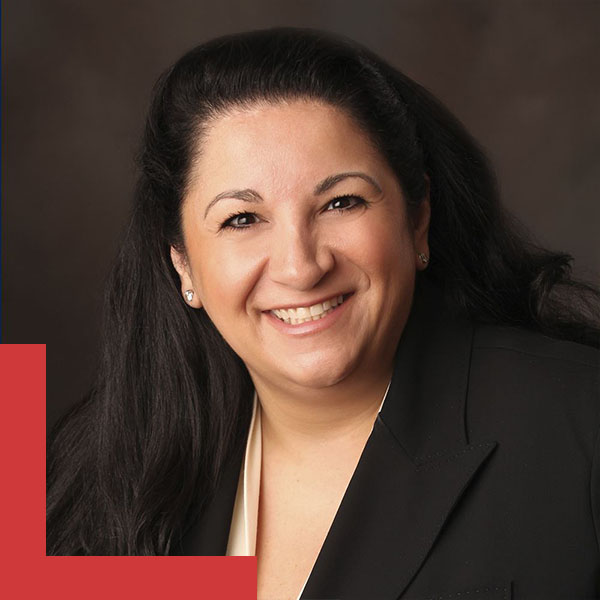
Mary Elizabeth Tenn
Attorney

John J. Tenn
Attorney
New Hampshire Drivers Must Adjust to Road and Traffic Conditions
New Hampshire RSA 265:60 requires drivers to travel at a speed that is reasonable and prudent for existing conditions and hazards. The statute also requires an appropriate reduced speed when special hazards exist because of weather, highway conditions, pedestrians, or other traffic.
That means a posted speed limit is not always the only factor that matters. A driver may need to slow down when visibility is reduced, traffic is congested, the road is wet, leaves are affecting traction, or vehicles are stopping frequently.
Following distance can also become a central issue. When traffic is moving slowly or stopping often, a driver who follows too closely may not have enough time or space to stop safely.
Fault may also involve conduct unrelated to speed. Examples can include:
- Looking at scenery instead of the roadway.
- Using a phone while driving.
- Focusing on navigation directions instead of surrounding traffic.
- Making an unsafe turn.
- Changing lanes without enough clearance.
- Failing to yield when required.
For more information about how fault can be evaluated after a crash, visit https://www.tennandtenn.com/proving-fault-in-new-hampshire-car-accidents/.
Millions in Verdicts & Settlements
The attorneys at Tenn And Tenn are ready to help you solve your legal problems and obtain results.
$9,000,000
Pedestrian Accident
$2,225,000
Motorcycle Collision
$2,224,000
CarAccident
How Comparative Fault Can Affect a New Hampshire Car Accident Claim
New Hampshire follows a modified comparative fault rule under RSA 507:7-d. A person who is partly responsible for an accident may still recover damages if that person’s fault is not greater than the fault of the defendant, or the combined fault of the defendants when recovery is sought from more than one defendant. Any damages awarded are reduced in proportion to the injured person’s percentage of fault.
This rule can matter in foliage-season crashes because more than one driver may be accused of contributing to the collision.
For example, a following driver in a rear-end crash may claim that the vehicle ahead stopped abruptly. The front driver may argue that traffic had been slowing and that the following vehicle was traveling too closely. Photographs, witness statements, dash camera footage, vehicle damage, and traffic conditions may help clarify what happened.
In another situation, a driver may turn left into a scenic parking area while an oncoming vehicle approaches. The turning driver may be accused of failing to yield, while the oncoming driver may be accused of traveling too fast for congested conditions. Comparative fault allows responsibility to be allocated according to the evidence.
Evidence That Can Matter After a Foliage-Season Crash
Seasonal traffic conditions can change soon after a collision. Congestion may clear, leaves may be moved, lighting may change, and parked vehicles may leave the area. Preserving evidence can help show what the scene looked like at the time of the crash.
Useful evidence may include:
- Photographs of vehicle positions, damage, debris, road conditions, leaves, signs, markings, and sight lines.
- Video from dash cameras, nearby businesses, homes, traffic systems, or other vehicles.
- Names and contact information for witnesses.
- Police reports and officer observations.
- Medical records showing injuries, diagnoses, treatment, and follow-up care.
- Cell phone records when distraction is disputed and the records are lawfully obtained.
- Vehicle event data when a serious crash requires technical analysis.
- Notes about traffic density, weather, lighting, road conditions, and unusual events immediately before impact.
Document what you can without putting yourself or anyone else at risk. When someone is injured, medical care should come first.
What to Do After a Car Accident During Fall Traffic
Your first steps after a crash should focus on safety and medical needs.
- Move to a safe location when it is possible to do so safely.
- Call emergency services when anyone is injured or the situation requires police or medical assistance.
- Seek medical attention for injuries.
- Exchange identification and insurance information with the other driver.
- Photograph the vehicles and surrounding scene when it is safe.
- Gather witness information when possible.
- Report the accident when New Hampshire law requires a report.
Avoid arguing about fault at the scene. You may not know whether another driver was distracted, speeding, following too closely, or making an unsafe maneuver. The full sequence can become clearer after photographs, video, records, and witness accounts are reviewed.
When speaking with an insurance company, provide accurate information and avoid guessing about facts that you do not know. Statements made early in a claim may later be compared with photographs, reports, medical records, and other evidence.
For answers to common car accident claim questions, visit https://www.tennandtenn.com/faq/car-accident-faq/.
What Compensation May Be Available After an Injury Crash
When another person’s negligence causes a New Hampshire car accident, an injured person may seek compensation for legally recoverable losses. The damages available depend on the facts of the case and the evidence supporting the claimed losses.
Potential damages may include:
- Past medical expenses.
- Future medical care that is supported by the evidence.
- Lost income.
- Reduced earning capacity.
- Pain and suffering.
- Disability or physical impairment.
- Property damage and other recoverable losses.
Insurance coverage can affect how a claim is handled. Relevant issues can include who caused the crash, the insurance policies involved, available policy limits, and whether uninsured or underinsured motorist coverage applies.
A low-speed rear-end collision can involve very different medical, insurance, and legal issues from a head-on crash or a multi-vehicle collision. The value and structure of a claim should be based on the specific facts rather than a general estimate.
When Legal Help May Be Useful
A New Hampshire car accident attorney may be useful when injuries are serious, fault is disputed, several vehicles are involved, insurance coverage is unclear, or an insurer claims that you share responsibility for the crash.
An attorney can review available evidence, including crash reports, photographs, video, medical records, insurance policies, and witness accounts. Legal counsel can also evaluate comparative fault, document claimed losses, communicate with insurers, and identify deadlines that may apply.
You can learn more about attorney John J. Tenn at https://www.tennandtenn.com/attorney-john-j-tenn/.
Speak With a New Hampshire Car Accident Attorney
If you were injured in a fall foliage traffic accident in Manchester, Concord, Nashua, Portsmouth, or elsewhere in New Hampshire, Tenn And Tenn, PA can review the circumstances of the collision and explain the legal and insurance issues that may affect your claim.
The firm has represented New Hampshire clients since 1995 and offers free consultations for personal injury matters. Contact the firm online: https://www.tennandtenn.com/contact-us/ to discuss your situation.
This article is for general informational purposes only. It is not legal advice, does not create an attorney-client relationship, and should not replace advice from a qualified attorney about your specific circumstances.


 |

 |