
Halloween night is an exciting time for families, especially children, as they go door to door collecting candy and enjoying spooky decorations. However, this festive occasion can also lead to unfortunate accidents, one of the most serious being a dog bite. Dogs can become startled by the excitement and noise of Halloween festivities, sometimes leading to aggressive behavior. Understanding how New Hampshire handles dog bite liability and insurance claims is crucial for both victims and pet owners. This blog will explore how the state’s laws work, what to do if you are bitten, and how insurance plays a role in resolving these situations.
Understanding New Hampshire’s Dog Bite Laws 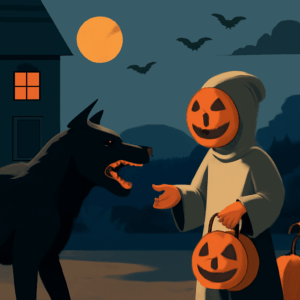
New Hampshire law holds dog owners responsible for their pets’ actions, especially when a dog causes harm. Under the state’s strict liability laws, a dog owner can be held financially responsible for injuries caused by their dog, even if the dog has no history of aggressive behavior. This is particularly important because a friendly dog may act out of character during the excitement of Halloween. A simple noise or unexpected encounter with a costumed stranger can trigger a bite.
In many cases, the strict liability applies whether or not the dog has previously shown signs of aggression. This means that if a dog bites someone, the owner can be held liable for damages regardless of the dog’s past behavior. New Hampshire also follows a “one-bite rule” in some instances, meaning that if a dog has bitten someone in the past, the owner may be held responsible for future incidents, even if the dog has not shown aggression before.
[block id=”attorneys”]
What to Do After a Dog Bite Occurs
The first step after a dog bite is to seek medical attention immediately. Even a minor dog bite can lead to infection, so it is essential to have the wound cleaned, treated, and evaluated by a healthcare professional. Once medical treatment is secured, the next step is to report the incident to local authorities, such as animal control, especially if the dog is unknown or has not been vaccinated.
Victims of dog bites should also attempt to gather as much information as possible about the dog and its owner. This includes the dog’s vaccination records, the dog’s breed, and any other relevant details about the incident. If the dog’s owner is known, their homeowner’s or renter’s insurance may cover medical expenses and any other costs related to the bite.
The Role of Insurance in Dog Bite Claims
In New Hampshire, most dog bite claims are handled through the dog owner’s homeowner’s or renter’s insurance. These policies often cover injuries caused by pets, including dog bites. However, not all insurance policies are the same, and certain breeds of dogs may be excluded from coverage in some cases. For example, many insurance companies exclude certain breeds known for their aggressive tendencies, such as Pit Bulls or Rottweilers. Therefore, the specifics of the insurance coverage depend on the details of the individual policy.
If the dog owner does not have insurance, or if the policy does not provide adequate coverage for the injuries sustained, the victim may have to pursue other avenues, such as filing a personal injury lawsuit against the dog owner. In these cases, a personal injury lawyer can help navigate the legal process and ensure the victim is compensated for medical expenses, pain and suffering, and other damages.
Filing an Insurance Claim for a Dog Bite
If you are the victim of a dog bite, filing an insurance claim can help you recover damages. The first step in filing a claim is to report the incident to the dog owner’s insurance company. You will need to provide them with the necessary documentation, including medical records, photographs of the injuries, and any witness statements. In some cases, you may also need to provide proof that the dog was not provoked and that the dog owner was negligent in controlling their pet.
The insurance company will then investigate the claim, which may involve speaking with the dog owner, witnesses, and experts in dog behavior. If the claim is approved, the insurance company will compensate you for your medical bills and other related expenses. However, if the claim is denied or if the insurance coverage is insufficient, you may need to pursue legal action to recover damages.
What Happens When the Dog Owner Doesn’t Have Insurance
In some situations, the dog owner may not have insurance, or the insurance policy may not cover the full extent of the damages. In these cases, the victim may have to sue the dog owner for damages. The process of filing a lawsuit can be complex, and it is important to consult with a personal injury lawyer to ensure that you understand your legal rights and the potential outcomes.
If the dog owner is not financially capable of covering the damages, the court may award the victim compensation, but collecting the money may be difficult. In some cases, if the dog owner has assets, the victim may be able to garnish wages or seize property to satisfy the judgment. However, this can be a lengthy and complicated process.
The Importance of Hiring a Personal Injury Lawyer
When dealing with a dog bite, particularly during a busy time like Halloween, it is important to have an experienced lawyer by your side. A personal injury lawyer can help you understand your rights, negotiate with insurance companies, and represent you in court if necessary. A lawyer who is familiar with New Hampshire’s dog bite laws will ensure that you are not taken advantage of and that you receive the compensation you deserve.
An attorney can also help if the case becomes more complicated, such as when the dog owner does not have insurance or when the insurance company refuses to pay out. Legal representation is critical in these situations, as it can make a significant difference in the outcome of your case.
The Process of Filing a Lawsuit for a Dog Bite
If the situation progresses to the point where a lawsuit is necessary, the process involves several steps. First, the victim must file a complaint with the court. This document outlines the details of the case, including how the dog bite occurred, the injuries sustained, and the damages being sought. After the complaint is filed, the dog owner will be served with a summons and has the opportunity to respond.
The case will proceed to discovery, where both sides exchange evidence and information. This may involve depositions, expert testimony, and the gathering of additional evidence. After discovery, the case may go to trial, where a judge or jury will determine liability and damages.
If the dog owner is found to be liable for the bite, the victim may be awarded compensation for medical bills, lost wages, pain and suffering, and other related costs. In some cases, punitive damages may also be awarded to punish the dog owner for gross negligence or intentional harm.
While Halloween is a time for fun and enjoyment, it’s also important to remember the risks involved, especially when it comes to dog bites. Understanding New Hampshire’s dog bite laws and knowing what steps to take after an incident can help ensure that victims are properly compensated for their injuries. Whether dealing with insurance claims or pursuing legal action, Tenn and Tenn, PA is ready to help guide you through the process and fight for your rights. If you or someone you know has been bitten by a dog on Halloween, contact us today to learn more about your legal options and how we can help.
To learn more about this subject click here: Filing a Personal Injury Claim for a Dog Bite in New Hampshire


 |

 |