
Yes. A defective motorcycle or motorcycle component can support an accident claim in New Hampshire when the defect causes or contributes to a crash and resulting injuries. Problems involving brakes, tires, steering systems, frames, fuel systems, electrical components, or other parts may raise product liability issues.
If you were injured in a motorcycle crash, the investigation should not focus only on your actions or those of another driver. A defective product, negligent repair work, maintenance problems, or several contributing factors may need to be examined.
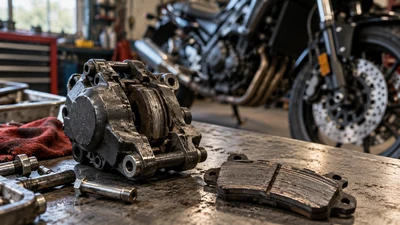
The motorcycle itself can become one of the most valuable pieces of evidence. Preserving it after the crash may help determine whether a component failed before impact, whether the collision caused the damage, and which parties should be investigated.
Tenn And Tenn, PA represents injured motorcyclists throughout New Hampshire and can examine the circumstances surrounding a motorcycle accident and potential product liability claim.









How Can a Motorcycle Defect Cause an Accident?
Motorcycles rely on multiple mechanical and electrical systems working correctly. A component failure can have serious consequences when you are traveling at highway speed, turning, or trying to stop quickly.
Potential problems may involve:
- Brake systems that fail, lock, leak, or lose stopping ability
- Tires that experience tread separation, sidewall failure, or another structural problem
- Steering or suspension components that loosen, fracture, or respond unpredictably
- Throttles that stick or fail to return properly
- Fuel-system components that leak or create a fire hazard
- Frames, forks, welds, or structural components that crack or break
- Electrical problems that cause engine shutdown or lighting failure
- Chains, sprockets, bearings, fasteners, or drive components that fail
- Warnings or instructions that do not adequately address a product-related hazard
A defect does not necessarily have to be the only factor involved in a motorcycle accident.
For example, another driver could turn across your path while a defective braking component prevents your motorcycle from slowing as expected. A tire failure could also contribute to a single-motorcycle crash when no other vehicle is involved.
For more information about motorcycle accidents in New Hampshire, visit:
https://www.tennandtenn.com/new-hampshire-motorcycle-accident-resources/

James J. Tenn, Jr.
Attorney

Mary Elizabeth Tenn
Attorney

John J. Tenn
Attorney
What Does New Hampshire Product Liability Law Cover?
New Hampshire RSA 507-D:1 defines a product liability action broadly.
The statute covers actions involving personal injury, death, property damage, or other damage caused by or resulting from matters involving a product’s:
- Development
- Manufacture
- Construction
- Design
- Formula or preparation
- Assembly
- Testing
- Warnings or instructions
- Advertising or marketing
- Certification
- Packaging
- Labeling
RSA 507-D:1 also states that a product liability action can involve legal theories including strict liability, negligence, breach of warranty, failure to warn or instruct, misrepresentation, concealment, and nondisclosure.
For you as an injured motorcyclist, this means the investigation may extend beyond what happened in the seconds immediately before the crash. The motorcycle’s design, manufacturing history, condition, maintenance history, prior repairs, and individual components may all need examination.
Tenn And Tenn, PA discusses New Hampshire product liability claims in more detail at:
https://www.tennandtenn.com/understanding-product-liability-in-new-hampshire-personal-injury-cases/
Millions in Verdicts & Settlements
The attorneys at Tenn And Tenn are ready to help you solve your legal problems and obtain results.
$9,000,000
Pedestrian Accident
$2,225,000
Motorcycle Collision
$2,224,000
CarAccident
Design Defects, Manufacturing Defects, and Warning Problems
Motorcycle product liability investigations commonly focus on whether the problem arose from the product’s design, manufacture, warnings, or instructions.
Design Defects
A design-related claim focuses on the way the motorcycle or component was designed before production.
The investigation may examine whether the design itself created a dangerous condition, how the component was expected to operate, and whether the alleged design problem contributed to the accident.
For example, investigators may need to examine the design of a braking, steering, fuel, or structural component after a failure.
Manufacturing Defects
A manufacturing problem concerns something that occurred while the motorcycle or individual component was being produced or assembled.
Potential issues may include:
- Faulty materials
- Improper assembly
- Weak or defective welds
- Contamination
- Incorrect dimensions or tolerances
- Missing or improperly installed components
The condition of the failed part and comparison with properly manufactured components may become relevant during an investigation.
Warning or Instruction Problems
A product liability claim may also involve warnings or instructions.
New Hampshire’s statutory definition of a product liability action expressly includes warning, instructing, advertising, marketing, packaging, and labeling.
The specific facts will determine whether a warning or instruction issue has legal significance in your case.
Who Could Be Involved in a Defective Motorcycle Claim?
Determining who should be investigated depends on what failed, how the motorcycle or component entered the market, and whether anyone later repaired, replaced, or modified the part.
Potentially relevant parties may include:
- The motorcycle manufacturer
- A tire, brake, or other component manufacturer
- A distributor or supplier
- A seller or retailer
- A dealership
- A repair or maintenance facility
- A business that installed or serviced the component
A repair-related claim can raise issues different from those involved in a product defect claim. For example, a component could have been properly manufactured but incorrectly installed, adjusted, inspected, or repaired.
More than one cause may also require investigation. A defective component and improper installation could potentially contribute to the same failure.
Preserve the Motorcycle After a Suspected Defect-Related Crash
If you suspect that a motorcycle or component failed before your crash, preserving the motorcycle can be critical.
Do not automatically authorize repairs, dismantling, destruction, or disposal before the evidence has been evaluated.
The motorcycle may contain physical evidence that cannot be recreated later.
An inspection may help answer questions such as:
- Did a brake component fail before the collision?
- Did a tire separate before you lost control?
- Did a structural component fracture before or because of the impact?
- Was a part installed correctly?
- Did a component show unusual wear or damage?
- Was the motorcycle modified?
- Was maintenance performed according to available records and instructions?
Useful evidence may include:
- The motorcycle in its post-crash condition
- Failed or broken components
- Photographs and video of the motorcycle
- Crash-scene photographs and video
- Maintenance records
- Repair invoices
- Parts invoices
- Purchase documents
- Warranty records
- Recall notices
- Service records and technical bulletins
- Riding gear and damaged personal property
- Witness information
- Available electronic or diagnostic information
You should also document symptoms you noticed before the crash. These may include unusual vibration, warning lights, handling changes, noises, fuel leaks, braking problems, steering problems, or other changes in the motorcycle’s operation.
For additional information about preserving and evaluating evidence after a motorcycle crash, visit:
https://www.tennandtenn.com/new-hampshire-motorcycle-accident-injury-claims-key-considerations/
A suspected motorcycle defect should be investigated before crucial physical evidence is altered or lost. The condition of the motorcycle can help explain what happened.
What If the Motorcycle Was Modified or Poorly Maintained?
Modification and maintenance can have a major effect on a New Hampshire product liability claim.
RSA 507-D:3 addresses alteration or modification of products. Under the statute, a product liability defendant is not liable for harm arising in any part from an alteration or modification of the product by another.
The statute also states that alteration or modification includes a failure to observe routine care and maintenance.
Ordinary wear and tear is treated differently. The statute also excludes alterations or modifications made according to specifications or instructions provided by the defendant from its definition of alteration or modification.
Because of this rule, maintenance and modification evidence can be especially significant.
Records that may help clarify the motorcycle’s history include:
- Service receipts
- Inspection records
- Parts invoices
- Photographs
- Owner manuals
- Maintenance schedules
- Records showing when components were replaced
- Documentation concerning aftermarket parts or modifications
The facts surrounding a particular modification or maintenance issue should be examined carefully before conclusions are made about its effect on a claim.
Can You Share Fault and Still Recover Compensation?
Possibly.
New Hampshire uses a modified comparative fault rule under RSA 507:7-d.
Under that statute, your own fault does not bar recovery in a tort action if your fault is not greater than the fault of the defendant or the combined fault of multiple defendants when recovery is allowed against more than one defendant.
Any damages awarded are reduced according to the percentage of fault attributed to you.
For example, suppose you noticed a possible braking problem before a crash but continued riding. A defendant could argue that your decision contributed to the accident or injuries.
That allegation alone does not establish the outcome. The evidence may need to address:
- What symptoms you noticed
- When you noticed them
- What a reasonable rider could have understood from those symptoms
- What component actually failed
- Whether the alleged defect contributed to the crash
- Whether another person or company also contributed to the accident
For more information about motorcycle accident fault issues, visit:
https://www.tennandtenn.com/faq/motorcycle-faq/
What Compensation May Be Available After a Defect-Related Motorcycle Crash?
The compensation available after a motorcycle accident depends on the injuries, property damage, evidence, applicable law, and circumstances of the claim.
Potential losses may include:
- Medical expenses
- Future medical care related to the injuries
- Lost wages
- Reduced earning capacity
- Pain and suffering
- Motorcycle damage
- Damage to riding gear or other property
- Other legally recoverable losses supported by the evidence
You will generally need evidence connecting the claimed losses to the accident and injuries.
Relevant documentation may include medical records, employment records, wage information, photographs, receipts, repair estimates, and expert analysis.
How Long Do You Have to File a Product Liability Claim in New Hampshire?
Product liability cases can involve deadlines that deserve careful attention.
RSA 507-D:2 generally requires a New Hampshire product liability action to be commenced within three years from the time the injury is, or should in the exercise of reasonable diligence have been, discovered.
The statute also contains additional time limits.
For claims covered by RSA 507-D:2, the law generally includes a 12-year outside limit measured from when the manufacturer of the final product sold it or parted with possession and control, whichever occurred last.
Different provisions apply in certain situations, including some claims involving lessors, bailors, licensors, later governmental duties, indemnity or contribution, fraudulent conduct, contractual obligations, and certain warranty claims.
This means you should not assume that every motorcycle accident or product liability claim has the same filing deadline.
Factors that may affect the analysis include:
- The date of the crash
- The date the injury was discovered
- The motorcycle’s age
- When the manufacturer sold or relinquished control of the final product
- The identity and role of each potential defendant
- The nature of the alleged defect
- The legal theory involved
- Whether a statutory exception applies
Early investigation can also protect evidence. A motorcycle or failed component can be repaired, discarded, transferred, weather-damaged, or otherwise altered long before a filing deadline expires.
How Can a New Hampshire Motorcycle Accident Lawyer Help?
A motorcycle defect case may require investigation of both the accident and the product.
Depending on the circumstances, a lawyer may help with tasks such as:
- Preserving the motorcycle and failed components
- Reviewing maintenance and repair records
- Identifying manufacturers, distributors, sellers, and repair facilities
- Researching recalls and available technical information
- Obtaining photographs and video
- Interviewing witnesses
- Reviewing relevant insurance coverage
- Coordinating inspections of the motorcycle
- Working with qualified engineering or mechanical professionals when appropriate
- Addressing allegations involving maintenance, modification, or rider fault
- Documenting medical, financial, and property losses
Tenn And Tenn, PA represents injured motorcyclists in New Hampshire. John J. Tenn’s practice includes personal injury and motorcycle accident matters.
Learn more about John J. Tenn at:
https://www.tennandtenn.com/attorney-john-j-tenn/
Speak With Tenn And Tenn, PA About a Motorcycle Defect Claim
If a brake, tire, steering component, frame, electrical system, or another motorcycle part failed before a New Hampshire crash, the cause may not be apparent from the accident scene.
Tenn And Tenn, PA can review the circumstances of the crash, available evidence, repair and maintenance history, insurance issues, and potential product liability questions.
If you believe a defective motorcycle or component contributed to your injuries, call Tenn And Tenn, PA or request a consultation at:
https://www.tennandtenn.com/contact-us/
The firm represents injured riders throughout New Hampshire and can explain the legal options that may apply to your circumstances.
This article is for informational purposes only and does not constitute legal advice. Consult an attorney regarding your specific situation.


 |

 |