
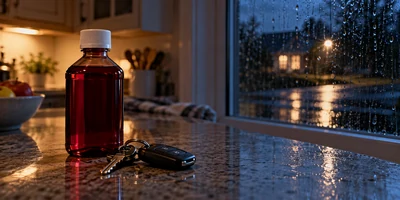
Yes. Cold medicine can lead to a DWI charge in New Hampshire if the medication impairs your ability to drive. New Hampshire law is not limited to alcohol or illegal drugs. RSA 265-A:2 also addresses prescription drugs, over-the-counter drugs, and other chemical substances that impair driving ability.
If you took cough syrup, an antihistamine, a nighttime cold remedy, or another lawful medication before driving, a DWI allegation may come as a surprise. A medication-related DWI case can involve the traffic stop, police observations, field sobriety testing, blood or urine testing, the medication itself, the dosage, the timing, and other evidence.
Tenn And Tenn, PA represents drivers facing DWI charges in Manchester and throughout New Hampshire and nearby areas. The firm can review the circumstances of the stop and explain the legal issues that may apply to your case.






Cold Medicine Can Fall Under New Hampshire DWI Law
New Hampshire RSA 265-A:2 prohibits driving or attempting to drive while under the influence of intoxicating liquor, a controlled drug, a prescription drug, an over-the-counter drug, or another chemical substance that impairs a person's ability to drive. The statute also covers combinations of alcohol and drugs.
A medication does not have to be illegal or improperly obtained to become part of a DWI investigation.
The main issue is impairment.
Taking cold medicine does not automatically establish that you committed DWI. The State still must prove the elements of the charged offense. In a medication-related case, the evidence may focus on what you took, how much you took, when you took it, how you were driving, and whether the available evidence supports a finding of impairment.
You can learn more about drug-related DWI charges at:
https://www.tennandtenn.com/new-hampshire-dwi-drugs-lawyers/
Which Cold Medicines Can Affect Driving?
Cold and flu products may contain one or more active ingredients. Depending on the product and the person taking it, some medicines may cause drowsiness, dizziness, slowed reaction time, blurred vision, reduced concentration, or problems with coordination.
Products that may raise driving concerns include certain:
Antihistamines
Nighttime cold medicines
Cough suppressants
Combination cold and flu remedies
Decongestant products
Prescription cough or respiratory medicines
The effects can differ from one person to another. Dosage, illness, fatigue, other medications, food intake, body chemistry, and alcohol may affect how a medication influences a driver.
Buying medicine at a pharmacy or grocery store does not establish that it is safe for a particular person to drive after taking it. Drivers should read warning labels and follow the directions provided with the medication.

James J. Tenn, Jr.
Attorney

Mary Elizabeth Tenn
Attorney

John J. Tenn
Attorney
Can You Be Arrested After Taking the Recommended Dose?
Potentially, yes.
Taking medication according to the label can be relevant to the case, but it does not automatically prevent an officer from investigating or making a DWI arrest when the officer believes there is evidence of impairment.
For example, an officer may stop a driver after observing unusual lane movement or another traffic issue. If the driver appears tired, speaks slowly, or reports taking cold medicine, the officer may investigate further.
Those observations do not always have one explanation. A person who is ill may also be experiencing fatigue, congestion, fever, dizziness, anxiety, or lack of sleep. A defense attorney may examine whether illness, medication, fatigue, or another factor better explains the observations recorded by police.
What Evidence May Police Use in a Cold Medicine DWI Case?
Medication-related DWI cases can depend heavily on the circumstances surrounding the stop and arrest.
Police may consider:
The reason for the traffic stop
Lane position, speed, braking, or other driving behavior
Statements you made during the stop
The appearance of your eyes
Speech patterns
Balance and coordination
Medication containers found during the investigation
Statements about dosage or timing
Field sobriety test performance
Body-camera or cruiser-camera footage
Blood or urine test results
Evidence involving alcohol or other substances
A breath test designed to measure alcohol concentration does not determine whether cold medicine impaired a driver. Drug-related investigations may involve physical examinations, police observations, and blood or urine testing, depending on the facts.
New Hampshire RSA 265-A:4 addresses implied consent for certain physical examinations and chemical testing involving alcohol, controlled drugs, prescription drugs, over-the-counter drugs, and other impairing chemical substances.
For more information about New Hampshire implied consent, visit:
https://www.tennandtenn.com/implied-consent-in-new-hampshire/
Millions in Verdicts & Settlements
The attorneys at Tenn And Tenn are ready to help you solve your legal problems and obtain results.
$9,000,000
Pedestrian Accident
$2,225,000
Motorcycle Collision
$2,224,000
CarAccident
Field Sobriety Tests Deserve Careful Review
Field sobriety tests may become part of a cold medicine DWI investigation. When the driver is sick, the circumstances surrounding those tests can be especially relevant.
Illness may involve:
Fatigue
Congestion
Headaches
Muscle weakness
Dizziness
Balance problems
Watery or irritated eyes
Reduced concentration
Roadside conditions may also affect how a person performs physical exercises. In New Hampshire, cold temperatures, snow, ice, uneven pavement, heavy clothing, poor lighting, traffic, or unsuitable footwear may affect the testing environment.
An attorney may compare the officer's report with available video and review how the tests were explained, demonstrated, administered, and documented.
For more information about these tests, visit:
https://www.tennandtenn.com/new-hampshire-field-sobriety-tests/
Does the Presence of Cold Medicine Prove Impairment?
No. Detecting a medication and proving impairment are different issues.
The presence of an over-the-counter medication may help establish that you took the product. It does not automatically establish how the medication affected your driving at the relevant time.
Questions that may matter include:
What active ingredient was detected?
What concentration was reported?
When did you take the medication?
What dose did you take?
Did you follow the product directions?
Were other substances present?
Could illness, fatigue, or another condition explain the observed symptoms?
Does video support the officer's written description?
What evidence connects the medication to impaired driving?
The significance of laboratory findings and other evidence depends on the facts of the case. A chemical test result may need to be considered together with driving behavior, police observations, statements, video, and the timing of medication use.
What If You Mixed Cold Medicine With Alcohol?
Combining alcohol with cold medicine can create additional concerns.
RSA 265-A:2 covers impairment involving combinations of alcohol and controlled drugs, prescription drugs, over-the-counter drugs, and other chemical substances that impair driving ability.
Some medication labels also warn against alcohol use because alcohol may increase drowsiness or other effects. A DWI investigation can focus on the combined effect of alcohol and medication rather than treating each substance separately.
A defense attorney may review the alcohol evidence, the medication evidence, and the timeline together.
What Can Be Challenged in a Cold Medicine DWI Case?
A DWI charge is an allegation. The State must prove the charged offense with admissible evidence.
Depending on the circumstances, a New Hampshire DWI lawyer may review:
Whether the traffic stop was legally justified
Whether the officer had a lawful basis to continue or expand the investigation
Whether probable cause supported the arrest
How field sobriety tests were administered and documented
Whether illness or fatigue affected your appearance or performance
Whether police accurately identified the medication involved
Whether blood or urine testing followed required procedures
Whether laboratory records support the prosecution's interpretation
Whether video matches or conflicts with written police observations
Whether the evidence supports impairment at the time you were driving
If you want more information about what may happen after an arrest, visit:
https://www.tennandtenn.com/after-a-dwi-arrest-in-new-hampshire/
What Should You Do After a Cold Medicine DWI Arrest?
If you were arrested after taking cold or flu medication, preserve information that may help establish what happened.
Consider keeping:
The medication bottle or packaging
Pharmacy or store receipts
Product instructions and warning labels
Records showing when the medication was purchased
Notes about the time and amount you took
Medical records related to the illness
Police paperwork
Court documents
Testing paperwork
Towing records
Relevant receipts, messages, or records that may help establish a timeline
Write down what you remember about the stop while the details are still fresh. Include what the officer asked, what you said, which tests you performed, whether you told the officer that you were sick, and whether you disclosed medication use.
Avoid posting detailed information about the arrest or the case on social media.
For information about possible DWI penalties in New Hampshire, visit:
https://www.tennandtenn.com/dwi-penalties-in-new-hampshire/
Speak With a New Hampshire DWI Lawyer
A DWI allegation involving cold medicine can involve legal, medical, and scientific evidence. The fact that a medication was lawful does not automatically resolve the case. The presence of medication also does not automatically prove that it impaired your ability to drive.
Tenn And Tenn, PA represents people facing DWI charges in Manchester and throughout New Hampshire and nearby areas. The firm can review the traffic stop, medication evidence, field sobriety testing, chemical-test records, video, police reports, and license-related paperwork and explain the issues that may apply to your circumstances.
To request a consultation at no charge, visit:
https://www.tennandtenn.com/contact-us/
Or call 603-614-5055.
This article is for informational purposes only. It is not legal advice. Consult an attorney about your specific situation.


 |

 |