
Summary
A DWI arrest after a Halloween party in Manchester, New Hampshire, can lead to two separate legal matters: a criminal DWI case and an Administrative License Suspension, or ALS, proceeding involving your driving privileges. New Hampshire law prohibits driving or attempting to drive while under the influence of alcohol, controlled drugs, prescription drugs, over-the-counter drugs, or other impairing substances. For most drivers, an alcohol concentration of 0.08 or higher can also support a DWI charge. The threshold is 0.02 for drivers under 21.
If you receive an ALS notice, the deadline to request an administrative review or hearing is generally 30 days from the date the notice is issued. The criminal court schedule does not replace that administrative deadline.
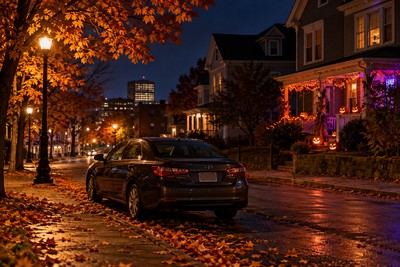
Halloween DWI cases can involve facts that deserve close review, including costume footwear, restrictive clothing, fatigue, late-night driving, lighting, road conditions, field sobriety testing, chemical testing, and video evidence. Tenn And Tenn, PA represents people facing DWI charges in Manchester and throughout New Hampshire and can review both the criminal and license-related issues that may affect your case.
A DWI arrest can create two separate deadlines. Your court date does not replace the deadline to challenge an Administrative License Suspension.







Why Halloween DWI Cases Can Be Different
Halloween parties often involve alcohol, late-night travel, costumes, crowded gatherings, and changing weather or road conditions. None of those facts, by itself, proves that a person was impaired while driving.
A DWI investigation often begins with something an officer says was observed before or during a traffic stop. Police may report speeding, drifting within a lane, crossing lane markings, making an improper turn, driving without required lights, or another traffic issue. A crash may also lead to a DWI investigation.
After a stop, an officer may record observations involving:
- The odor of alcohol
- Speech
- Eye appearance
- Balance and coordination
- Statements about drinking
- Driving behavior
- Performance on field sobriety tests
- Breath, blood, or urine test results
Each part of the evidence should be considered in context. Attending a Halloween party or acknowledging alcohol consumption does not, by itself, establish every element of a DWI charge.
A Manchester DWI lawyer may compare police reports with body-camera footage, cruiser video, dispatch records, witness statements, photographs, receipts, text messages, testing records, and other evidence that may help establish what happened before and during the stop.
Learn more about Manchester DWI representation:
https://www.tennandtenn.com/manchester-dwi-lawyers/

James J. Tenn, Jr.
Attorney

Mary Elizabeth Tenn
Attorney

John J. Tenn
Attorney
What New Hampshire DWI Law Prohibits
New Hampshire RSA 265-A:2 prohibits driving or attempting to drive while under the influence of intoxicating liquor, controlled drugs, prescription drugs, over-the-counter drugs, or other chemical substances that impair a person’s ability to drive.
The statute also addresses alcohol concentration. For most drivers, an alcohol concentration of 0.08 or higher can support a DWI charge. For a driver under 21, the threshold is 0.02.
A DWI case does not always depend on a breath-test result. Prosecutors may rely on other evidence, including driving behavior, officer observations, statements, field sobriety testing, video, and other facts.
The words “attempt to drive” can also matter. Some cases involve disputes about whether a person was actually driving, attempting to drive, or engaging in conduct that falls within the statute.
For more information about New Hampshire DWI penalties:
https://www.tennandtenn.com/dwi-penalties-in-new-hampshire/
Can a Halloween Costume Affect Field Sobriety Testing?
It can affect the context in which roadside observations are evaluated.
Field sobriety tests can involve balance, coordination, divided attention, and the ability to follow instructions. Certain Halloween clothing, footwear, physical conditions, and roadside circumstances may deserve closer review when an attorney evaluates what an officer reported.
Relevant factors may include:
- High heels, platform shoes, boots, oversized shoes, or other unusual footwear
- Heavy or restrictive costumes
- Capes, long clothing, or accessories that interfere with movement
- Fatigue after a long evening
- Existing injuries or physical limitations
- Uneven, wet, sloped, or poorly lit roadside surfaces
- Distractions near the testing location
Masks, makeup, colored contact lenses, and costume accessories may also provide context for some observations, depending on what the officer claimed to see. Their presence does not automatically invalidate a test or establish that an officer’s conclusions were incorrect.
Video evidence can be especially useful when roadside testing is disputed. A report may summarize a person as unsteady or unable to follow instructions, while video may show additional details about footwear, lighting, the road surface, the instructions given, and the person’s actual movements.
For more information about New Hampshire DWI traffic stops:
https://www.tennandtenn.com/if-pulled-over-by-police-in-new-hampshire-for-dui/
Millions in Verdicts & Settlements
The attorneys at Tenn And Tenn are ready to help you solve your legal problems and obtain results.
$9,000,000
Pedestrian Accident
$2,225,000
Motorcycle Collision
$2,224,000
CarAccident
Breath Tests, Chemical Tests, and License Consequences
A New Hampshire DWI arrest can create both a criminal case and a separate administrative license process.
The criminal case proceeds through the court system. An Administrative License Suspension is handled through the New Hampshire Department of Safety.
Under current New Hampshire law, an ALS may result from a refusal to submit to testing under the implied-consent law or from a qualifying chemical-test result. When an ALS notice is served, the suspension is generally scheduled to take effect 30 days after service.
A separate deadline applies if you want to challenge the suspension. A written request for an administrative review or hearing must generally be received by the Department of Safety within 30 days from the date the notice is issued. Filing the request does not automatically stay the suspension.
That distinction matters because waiting for the criminal court date can cause you to miss an administrative deadline.
Keep every page of the paperwork you receive from police and the Department of Safety. Review the dates carefully and confirm which process each document concerns.
Learn more about Administrative License Suspensions:
https://www.tennandtenn.com/administrative-license-suspensions-add-penalties-to-a-dwi/
What Evidence Should You Preserve After a Halloween DWI Arrest?
Evidence from a social event can disappear quickly. Memories can fade, messages can be deleted, surveillance video may be overwritten, and physical conditions at the location may change.
Preserving available information can help your attorney reconstruct the events surrounding the arrest.
Potentially useful evidence may include:
- Party invitations or event information
- Receipts showing purchases and times
- Text messages with friends, family members, hosts, or rideshare drivers
- Photographs or videos from the gathering
- Photographs showing the clothing and footwear worn that night
- Names and contact information for people who saw you before you drove
- Information about food consumed during the evening
- Medication information when relevant
- Towing or vehicle records
- Police paperwork
- Court documents
- Department of Safety notices
You may also want to prepare a private timeline while events are still fresh. Include approximate times, locations, people present, what you ate or drank, when you left, what happened during the stop, and what testing occurred. Keep the timeline private and accurate.
Use caution with social media. Posts, photographs, videos, comments, and messages relating to the party, driving, or arrest may later become relevant.
Can a Halloween DWI Charge Be Defended?
A DWI charge can be challenged when the facts and law support a defense.
Attending a Halloween party, consuming alcohol, or wearing a costume does not establish every element the State must prove. The issues that matter depend on what happened before the stop, during the investigation, during testing, and after the arrest.
A defense attorney may examine questions such as:
Was There a Lawful Basis for the Traffic Stop?
The stated reason for the stop can be compared with cruiser video, body-camera footage, roadway conditions, dispatch information, and other available evidence.
Did the Circumstances Support Continuing the DWI Investigation?
The reason for the initial stop and the facts used to expand the investigation may require separate review.
Were Field Sobriety Tests Administered and Interpreted Properly?
Instructions, footwear, physical limitations, fatigue, road conditions, lighting, distractions, and the officer’s interpretation of performance may matter.
Was Chemical Testing Handled Properly?
Breath, blood, and urine evidence can involve timing, testing procedures, equipment records, collection methods, documentation, and compliance with applicable legal requirements.
What Does the Video Show?
Police reports are written summaries. Video may provide additional context about speech, movement, demeanor, driving behavior, instructions, testing conditions, and the sequence of events.
Does the Timeline Affect the Evidence?
The timing of alcohol consumption, driving, the traffic stop, arrest, and chemical testing may become relevant when the evidence is evaluated.
No single defense applies to every Manchester DWI case. A legal strategy should be based on the evidence in the individual case.
What Happens After a First DWI Charge in New Hampshire?
A standard first-offense DWI conviction under RSA 265-A:2, I is a Class B misdemeanor under current New Hampshire law. The statute provides for a minimum $500 fine, impaired-driver program requirements, and driver’s license consequences.
The current statute provides for a license revocation of at least nine months. The court may suspend up to six months of that period when the statutory requirements are satisfied, including required screening, evaluation when applicable, compliance with a service plan, and completion of an approved impaired-driver education program.
A first-offense conviction also requires participation in an impaired driver care management program process and completion of an approved impaired-driver education program before restoration of driving privileges. Other requirements may apply based on the circumstances.
The precise consequences can depend on the charge, the person’s history, and the facts of the case.
More serious penalties may apply when the State alleges aggravated DWI or other circumstances recognized under New Hampshire law. Prior DWI history can also affect potential penalties.
A person facing a first charge should not assume that the case is minor because there is no prior DWI conviction. Criminal proceedings, license consequences, evidence-preservation issues, and administrative deadlines can begin before the case is resolved.
For more information about first-offense DWI penalties:
https://www.tennandtenn.com/new-hampshire-dui-dwi-first-offense-penalties/
What Should You Do After a Manchester Halloween DWI Arrest?
Focus on deadlines, documents, and preservation of evidence.
Keep every document provided by police, the court, and the Department of Safety.
Confirm the date and location of every scheduled court appearance.
Determine whether an Administrative License Suspension has been initiated.
Review the issue date on any ALS notice because a 30-day challenge deadline may apply.
Do not drive unless you have confirmed that your license or temporary driving privilege is valid.
Preserve photographs, videos, messages, receipts, and other relevant records.
Avoid posting details about the arrest or party on social media.
Do not ask witnesses to change, coordinate, or improve their recollections.
Keep original records whenever possible.
Speak with a lawyer about the criminal case and any administrative license proceeding.
A DWI attorney may obtain and review evidence such as:
- Police reports
- Body-camera footage
- Cruiser video
- Dispatch records
- Chemical-test records
- Field sobriety testing evidence
- Witness information
- Administrative suspension paperwork
- Court filings
Depending on the case, the next steps may include an administrative review or hearing, motions, negotiations, trial preparation, or another approach supported by the evidence.
Speak With a Manchester DWI Lawyer
A DWI arrest after a Halloween party can raise immediate questions about your driver’s license, court date, field sobriety testing, breath or blood testing, video evidence, and the deadlines that may apply.
Tenn And Tenn, PA represents people facing DWI charges in Manchester and throughout New Hampshire. The firm can review the traffic stop, police observations, video evidence, chemical-test procedures, Administrative License Suspension paperwork, court documents, and other facts affecting your case.
Tenn And Tenn, PA offers consultations at no charge. Call to discuss your situation.
You can also contact the firm here:
https://www.tennandtenn.com/contact-us/
This article is for general informational purposes only and is not legal advice. Reading this article does not create an attorney-client relationship. Consult an attorney about your specific situation.


 |

 |