
Summer in New Hampshire is a season that draws thousands of residents and visitors onto the roads. Families head north to the White Mountains, vacationers travel toward the Lakes Region, and others visit the Seacoast. While the warm weather and scenic views make these drives enjoyable, the same factors also increase the likelihood of car accidents. Dangerous road conditions combined with heavier seasonal traffic often lead to crashes with devastating consequences.
This article explains how New Hampshire’s roadway conditions contribute to accidents during the summer, why crash risks rise when the weather is warm, and what steps drivers can take to stay safer.
Road Conditions That Make Summer Driving Risky 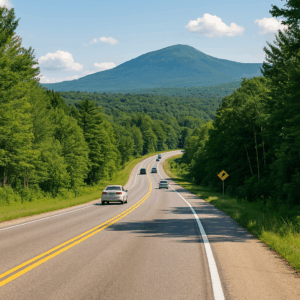
New Hampshire is known for its winding roads, narrow highways, and rural byways. Many of these routes were designed decades ago when traffic volumes were far lighter. In the summer, when tourist traffic increases, the limitations of these roadways become clear. Curves with limited visibility, narrow lanes with little shoulder space, and steep grades all create hazards that are intensified when more cars, trucks, and motorcycles share the road.
Intersections in older towns also pose dangers. Some have outdated signal systems or stop signs that leave drivers guessing about the right of way. Poor visibility at these crossings often leads to side impact collisions. A driver who assumes the way is clear may suddenly face another vehicle approaching at full speed.
Construction zones are another concern. Summer is peak season for road repairs and maintenance. Drivers may encounter lane shifts, unclear detours, or equipment parked close to traffic lanes. When these zones are not well marked, drivers can become confused and accidents are more likely.
The Role of Tourism and Congestion
New Hampshire’s economy benefits from its summer visitors, but heavy tourism traffic brings more than just revenue. Popular destinations such as Lake Winnipesaukee, Mount Washington, and Hampton Beach draw thousands of out of state drivers who are unfamiliar with local roads. A person who does not know that a sharp curve lies ahead may brake suddenly, surprising the drivers behind them.
Tourist traffic also causes congestion in small towns. Roads designed for light local use can become clogged with cars, buses, and motorcycles. This congestion leads to stop and go conditions and increases the chance of rear end crashes. Pedestrians stepping into crosswalks near restaurants, shops, and boardwalks add another level of unpredictability.
Why Summer Brings Higher Collision Rates
Summer is different from winter in that icy pavement is not usually the issue, but crash rates remain high. Warm weather means more motorcyclists are on the road, bicyclists are riding along rural shoulders, and pedestrians are walking near busy intersections. This mix of vehicles and people sharing the same spaces adds complexity for drivers.
Holiday weekends such as Memorial Day, Independence Day, and Labor Day also contribute to the problem. These holidays are known for gatherings and celebrations where alcohol is often served. Impaired driving increases during these weekends and when combined with already risky roads, the results can be tragic.
Another factor is fatigue. Long summer drives, especially in hot weather, can wear down a driver’s focus. A lapse of concentration for just a moment can lead to an accident on a road that already offers little margin for error.
The Human Impact of Roadway Design
When a crash occurs, people often assume it was entirely due to driver error. While driver choices certainly play a role, the design and condition of the roadway often contribute as well. A poorly marked curve, a missing guardrail, or an intersection with blocked sightlines can all turn a minor mistake into a serious collision.
Victims of accidents on these roads may face lasting injuries, lost wages, and expensive medical care. Families must also deal with the emotional toll of knowing that an unsafe roadway played a role in their loved one’s suffering.
How Drivers Can Reduce Their Risk
Although drivers cannot control how roads are built, they can take steps to stay safer. Maintaining a slower speed through rural and mountain routes is one of the most effective precautions. Drivers should also leave additional space between vehicles during congested summer traffic. That extra distance provides more time to react if another driver brakes suddenly.
Awareness is also key. Being alert to construction zones, scanning for pedestrians in busy towns, and recognizing that tourists may stop abruptly for directions can all help reduce the chance of a crash. Most importantly, drivers must avoid alcohol or drug use before getting behind the wheel. On roads already known for hazards, impaired driving is especially dangerous.
Legal Considerations After a Summer Accident
After a serious accident, questions often arise about who is responsible. Was it simply the driver’s fault, or did the condition of the road contribute? In some cases, liability may involve more than one party. A driver may have made an error, but the roadway design or lack of proper maintenance may have worsened the situation. These factors can affect how compensation is pursued.
Victims may be entitled to recover damages for medical expenses, lost earnings, and pain and suffering. Navigating these claims requires a careful investigation into both the crash itself and the roadway conditions at the scene.
How Tenn And Tenn, PA Helps Accident Victims
The attorneys at Tenn And Tenn, PA have represented clients across New Hampshire in cases involving dangerous roads and serious auto accidents. With decades of combined experience, the firm understands how roadway conditions can impact liability and how to build a strong case for compensation.
If you or someone you love has been injured in a summer crash, it is important to act quickly. Evidence such as police reports, photographs of the roadway, and witness statements can make a significant difference in the outcome of a claim. Tenn And Tenn, PA offers free consultations to help you understand your legal rights and options.
To learn more about auto accident claims, you can read additional resources such as https://www.tennandtenn.com/what-to-do-if-youre-in-a-new-hampshire-auto-accident/ which explains immediate steps after a crash. You can also review discussions on roadway hazards at https://www.tennandtenn.com/slippery-roads-contribute-to-dozens-of-new-hampshire-motor-vehicle-accidents/ and safety efforts like https://www.tennandtenn.com/will-guardrails-help-curb-dangerous-road-accidents/. These resources provide valuable insight into the challenges drivers face in New Hampshire.
Call for Legal Guidance
If you have been injured in a car accident on one of New Hampshire’s dangerous roads, do not face the process alone. The lawyers at Tenn And Tenn, PA are available to review your case and provide guidance. Call (603) 624 3700 today for a free consultation. The firm serves clients in Manchester, Nashua, Concord, and throughout the state.
To learn more about this subject click here: How Witness Statements Can Help Your Car Accident Case


 |

 |