
After a late-fall motorcycle accident in New Hampshire, the person or business whose negligence caused the crash may be responsible for your injuries and other losses. Insurance, evidence of fault, road conditions, and New Hampshire comparative fault law help determine who pays. Wet leaves, frost, and reduced daylight may affect the crash, but seasonal weather alone does not decide liability.
Your claim may involve another driver’s insurer, your own motorcycle insurance, or, in limited situations, another responsible party. The first step is to establish what caused the collision and identify the coverage available.
Who Is Financially Responsible for a Fall Motorcycle Accident?
If you are injured in a motorcycle crash in Manchester, Bedford, Concord, Nashua, or another New Hampshire community, the responsible party depends on the facts. New Hampshire generally evaluates motorcycle injury claims using fault-based negligence principles.
Potentially responsible parties include:
- A driver who fails to yield, changes lanes unsafely, or follows too closely.
- An employer whose employee causes a crash while acting within the scope of employment.
- A manufacturer responsible for a defective component that contributes to the accident.
- A public entity in a qualifying case involving a dangerous road condition and applicable legal requirements.
Your insurance policy may also provide benefits, even when another party is legally responsible.

James J. Tenn, Jr.
Attorney
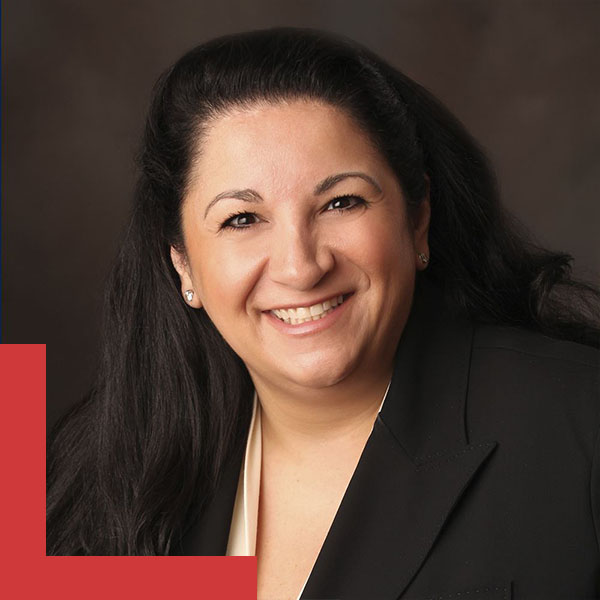
Mary Elizabeth Tenn
Attorney
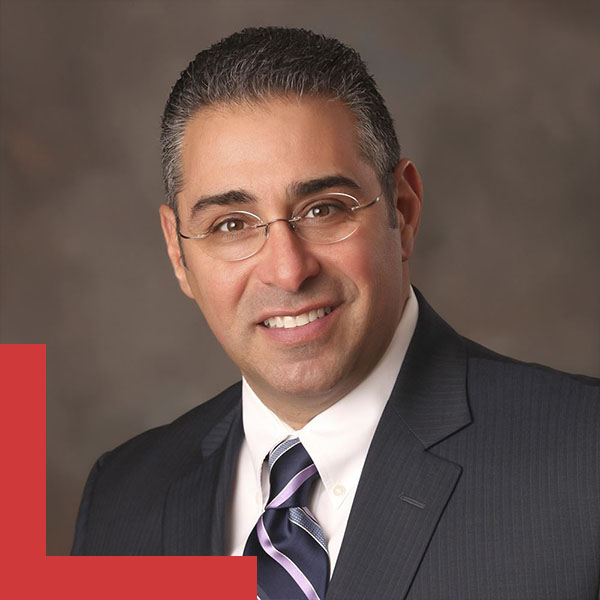
John J. Tenn
Attorney
Why Late-Fall Road Conditions Matter to Motorcycle Accident Fault
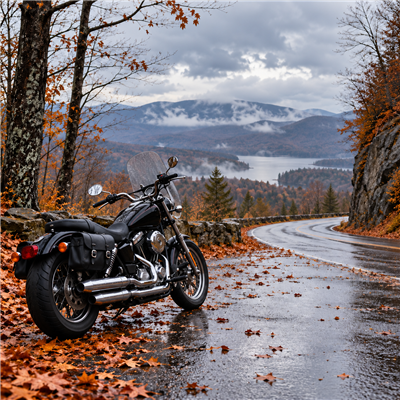
Late October and November can bring wet pavement, fallen leaves, shorter daylight hours, and early frost. These conditions affect how riders and drivers should respond to the road, but they do not automatically establish fault.
Wet Leaves and Reduced Traction
Rain-soaked leaves can reduce a motorcycle’s traction during braking or cornering. Investigators may examine whether a rider was traveling appropriately for conditions and whether another driver created the danger.
Early Frost on Bridges and Shaded Roads
Bridges and shaded surfaces may become slippery when temperatures approach freezing. A driver’s speed, following distance, and reactions may help establish whether the driver exercised reasonable care.
Shorter Daylight Hours and Limited Visibility
Motorcycles can be harder for other motorists to notice at dusk or in poor light. Drivers still need to watch for approaching traffic before turning, merging, or entering an intersection.
Key point: Bad weather can contribute to a crash without excusing careless driving. Responsibility depends on the evidence.
When Does Another Driver Pay for Motorcycle Accident Injuries?
A driver’s negligence may make that driver responsible when careless actions cause your motorcycle accident. Common examples include:
- Turning left across an approaching motorcycle.
- Changing lanes without checking mirrors and blind spots.
- Following too closely on damp pavement.
- Traveling too fast for road conditions.
- Failing to yield at an intersection.
- Driving while distracted or impaired.
For example, imagine a November crash near Manchester. A driver turns left in front of a motorcycle approaching at a reasonable speed. Even if wet pavement affects braking distance, the failure to yield may support a claim against the turning driver.
The at-fault driver’s liability insurance may cover eligible losses up to applicable limits. Learn more on the motorcycle accident lawyers page:
https://www.tennandtenn.com/new-hampshire-motorcycle-accident-lawyers/
Millions in Verdicts & Settlements
The attorneys at Tenn And Tenn are ready to help you solve your legal problems and obtain results.
$9,000,000
Pedestrian Accident
$2,225,000
Motorcycle Collision
$2,224,000
CarAccident
Can You Recover Compensation if You Were Partly at Fault?
Yes, in qualifying cases. Under New Hampshire RSA 507:7-d, a rider’s fault does not necessarily prevent recovery if the rider’s share of fault is not greater than the combined fault attributed to the legally relevant other parties. The damages award is reduced in proportion to the rider’s fault. RSA 507:7-e may also affect how liability is allocated among multiple parties.
Suppose your legally recoverable damages equal $100,000. If you are found 20% at fault, your damages would be reduced to $80,000 before other applicable issues are considered. If you are found 51% at fault and the only other responsible party is 49% at fault, recovery is generally barred under the comparative fault rule.
An insurer may question your speed, braking, lookout, or riding decisions. An allegation of rider fault requires supporting evidence rather than an assumption based on the fact that you were operating a motorcycle.
Who Pays When Dangerous Road Conditions Cause a Motorcycle Crash?
Some motorcycle crashes involve potholes, construction defects, or hazards rather than another vehicle. Public-road cases require special analysis because governmental liability is restricted by statute.
For municipal roads, RSA 231:90 through RSA 231:92-a address roadway insufficiencies and specific liability rules, including conditions involving weather-related road hazards. The responsible agency, nature of the hazard, notice or knowledge, and other statutory requirements matter. State-maintained road claims raise separate issues.
Wet leaves on a road or ordinary weather changes do not, by themselves, establish municipal liability. An attorney can assess whether the evidence supports a legally recognized claim.
Read the firm’s related discussion about New Hampshire road conditions and motorcycle crashes:
https://www.tennandtenn.com/the-impact-of-road-conditions-on-motorcycle-accidents-in-new-hampshire/
Which Insurance Pays After a New Hampshire Motorcycle Accident?
At-Fault Driver’s Liability Insurance
When another driver causes a crash, applicable bodily injury or property damage liability coverage may pay qualifying losses, subject to available limits. New Hampshire does not require every driver to maintain automobile liability insurance in all circumstances, although financial-responsibility requirements apply to certain drivers.
Uninsured and Underinsured Motorist Coverage
Uninsured or underinsured motorist protection may apply when a negligent motorist has no coverage or inadequate limits. RSA 264:15 governs important aspects of uninsured motorist coverage. Whether a particular policy responds depends on its terms and the facts.
Medical Payments and Collision Coverage
If your policy includes applicable medical payments coverage, it may help pay qualifying treatment expenses regardless of fault. Collision coverage may help with motorcycle damage, subject to deductibles and policy terms.
Review every potentially applicable policy before assuming that a loss is uncovered.
See What Our Clients Are Saying About Us

Attorney John Tenn and his entire team are amazing people! If you need a lawyer, he is the man to call! He handled my case in a professional matter and took the stress out of it all.
Mallory C.

The whole team were very professional and responsive. My case was effectively handled with good communication during the process. Very satisfied with the outcome. Highly recommend!
A. McMillan
What Compensation Can You Seek After a Motorcycle Accident?
The value of your claim depends on your injuries, liability, available insurance, and evidence. Potentially recoverable losses may include:
- Emergency treatment, hospitalization, surgery, and rehabilitation.
- Reasonably supported future medical expenses.
- Lost wages and reduced future earning capacity.
- Physical pain, emotional distress, and other legally compensable noneconomic harm.
- Motorcycle repair or replacement and related property damage.
For example, a broken leg may require surgery, physical therapy, and time away from employment. A sound evaluation considers both current costs and future losses supported by medical and financial records.
See the firm’s personal injury lawyers page for additional information:
https://www.tennandtenn.com/new-hampshire-personal-injury-lawyers/
What Should You Do After a Late-Fall Motorcycle Accident?
You can protect your health and preserve relevant evidence by taking these steps when it is safe and possible:
- Seek medical care and follow treatment recommendations.
- Photograph the vehicles, road surface, wet leaves, frost, debris, and other visible conditions.
- Request the police crash report and record witness contact information.
- Preserve damaged protective gear and motorcycle components.
- Keep medical bills, wage records, and other proof of expenses.
- Notify your insurer promptly and review requests for recorded statements or settlement releases carefully.
Weather and roadway evidence may disappear quickly. Photographs and witness accounts can help show what conditions were present when the accident occurred.






How Long Do You Have to File a Motorcycle Accident Lawsuit?
Under RSA 508:4, many New Hampshire personal injury actions are subject to a three-year limitations period. A discovery rule may apply in qualifying circumstances. Different deadlines or special requirements may apply to some claims, particularly those involving governmental entities.
The applicable deadline depends on the type of claim and the facts. Early review can help preserve evidence and identify any special notice requirements.
Frequently Asked Questions About Fall Motorcycle Accidents
Does Bad Weather Automatically Make the Rider Responsible?
No. Rain, wet leaves, frost, and reduced visibility do not automatically establish rider negligence. The actions of the people involved and the available evidence determine fault.
Who Pays if a Motorcycle Slides on Wet Leaves Without Another Vehicle?
If no legally responsible third party contributed to the crash, your recovery may depend on available first-party insurance, including applicable collision or medical payments coverage.
Can You Recover Compensation if the Other Driver Has No Insurance?
Potentially. Uninsured motorist coverage under an applicable policy may provide protection, subject to legal and policy requirements.
Does Riding Without a Helmet Automatically Prevent Recovery?
No. New Hampshire generally does not require helmets for motorcycle operators and passengers who are 18 or older. Helmet use may become relevant to injury-related arguments in a particular case, but it does not automatically prevent a claim.
Speak With a New Hampshire Motorcycle Accident Attorney
If you were injured in a late-fall motorcycle crash, Tenn And Tenn, PA can help you examine fault, insurance coverage, medical losses, and possible legal claims. The firm’s attorneys handle motorcycle injury matters in Manchester, Bedford, Concord, Nashua, and communities throughout New Hampshire.
Contact Tenn And Tenn, PA through its website to discuss your situation.
https://www.tennandtenn.com/contact-us/
This article provides general information and is not legal advice. An attorney can evaluate the facts of your specific case.


 |

 |