
If you get pulled over on suspicion of DUI in New Hampshire, it might come as a surprise to learn that simply by driving on a New Hampshire road, you have already given “implied consent” to take a sobriety test.
New Hampshire law states that “[a]ny person who drives, operates, or attempts to operate an [Off-Highway Recreational Vehicle], drives or attempts to drive a vehicle upon the ways of this state” must submit to sobriety testing when requested by law enforcement. If you refuse to comply with this request, you might face penalties for violation of implied consent, in addition to potential DUI charges.
Violation of implied consent comes with serious life-impacting consequences. If you’re facing these charges or other DUI-related charges, contact the lawyers of Tenn And Tenn, P.A. right away. We vigorously defend clients against DUI-related charges throughout New Hampshire, from Laconia to Nashua. Call us today at 888-332-5855 or schedule a free online consultation.
How DUI Testing Works in New Hampshire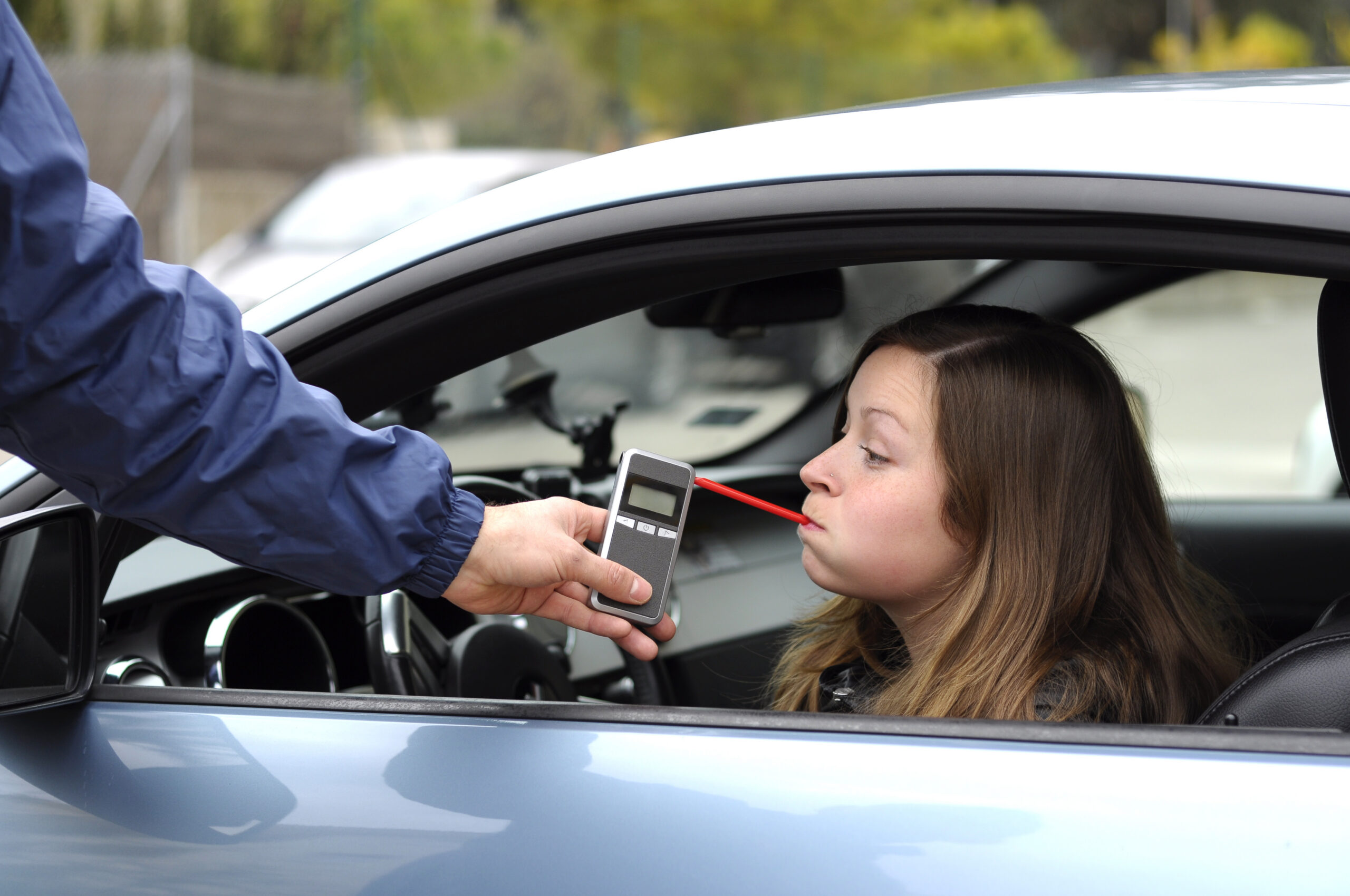
New Hampshire law enforcement officials have the right to stop any vehicle on a state road if they reasonably suspect the driver of operating the vehicle under the influence of drugs or alcohol. If they observe that you have bloodshot eyes, slurred speech, smell like alcohol, or are exhibiting any other signs of DUI, implied consent gives them the right to request that you take a sobriety test.
Sobriety testing generally falls into two categories: field sobriety tests or chemical tests. Field tests are three physical exercises performed on the roadside right after you’re pulled over:
Walk-and-Turn. You’ll be asked to walk heel to toe in a straight line for a set number of steps, turn, then walk back the same way. Officers watch for trouble with balance, missed steps, or difficulty following directions.
One-Leg Stand. You must stand on one foot while counting for a short period without using your arms for balance. Swaying, hopping, or putting your foot down may be treated as signs of possible impairment.
Horizontal Gaze Nystagmus (HGN). Here, the officer moves a small object, such as a pen or flashlight, across your field of vision and watches for involuntary eye movements that may indicate alcohol-related impairment.
In contrast, with a chemical test, officers collect a sample of your breath, blood, or urine to measure your blood alcohol concentration (BAC). In New Hampshire, a BAC of 0.08 percent or higher puts you over the legal limit. Drivers under 21 face an even lower BAC threshold of 0.02 percent. Either way, if the test finds that you have hit or exceeded the legal limit, you will face DUI charges.
Most commonly, police use a breathalyzer while on the roadside to measure your BAC, but they may take you into custody for a blood or urine test.
The Consequences of Violating Implied Consent
While implied consent means that every driver on a New Hampshire road has already given their consent to taking these tests, in reality, you can refuse to take a chemical test. Some drivers say no to the breathalyzer or blood test because they think that without proof of an unlawful BAC, they cannot be convicted of a DUI.
This is a risky approach. Although a lack of hard evidence might be helpful in certain cases, the refusal can work against you in others. For example, New Hampshire allows prosecutors to introduce evidence that you refused testing when trying to prove the DUI charge, which can suggest that you were trying to avoid incriminating evidence. This can make you look bad in front of a judge or jury, or hinder plea-bargain negotiations.
Moreover, refusing a sobriety test doesn’t leave you consequence-free. The penalty for violating implied consent is automatic suspension of your driver’s license. For a first refusal with no prior DUI, your license is typically suspended for 180 days. For a second refusal or if you have a prior DUI, your driver’s license will likely be suspended for 2 years.
These penalties, called Administrative License Suspensions, are administrative actions taken by the DMV independent of any criminal DUI charge. That means your license can be suspended well before any DUI conviction, or even if you prevail on the DUI charges.
How a Skilled New Hampshire DUI Attorney Can Help
If you have refused a sobriety test in New Hampshire and are now facing an Administration License Suspension for violating implied consent, contact legal counsel as soon as possible. An experienced New Hampshire DUI license suspension lawyer, such as the team at Tenn And Tenn, P.A., can file a request for an Administrative License Suspension hearing with the Department of Safety on your behalf, in which they can challenge the order of suspension. Missing the deadline for requesting a hearing can lead to an automatic suspension of your license without your input.
Given the complexity and high stakes of DUI and implied consent issues, consulting an experienced New Hampshire DUI attorney early in your case can make a critical difference in protecting your rights and driving privileges. Call the experienced New Hampshire DUI lawyers of Tenn And Tenn, P.A. We represent clients throughout the state, including Andover, Goffstown, and Windham, and beyond. Contact us today at 888-332-5855 or online for your free evaluation.


 |

 |