
Motorcyclists heading to Laconia Motorcycle Week face increased law enforcement presence due to the event’s size and popularity. Tenn And Tenn, PA provides guidance on what to expect during DWI stops, how New Hampshire’s laws apply to riders, and steps to safeguard your rights and your ability to ride safely. Understanding the legal framework, the procedures involved, and your options during a stop can prevent serious consequences and allow you to enjoy the event responsibly.





Understanding New Hampshire DWI Laws for Motorcyclists 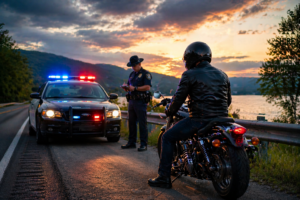
New Hampshire enforces strict DWI laws that apply to all motor vehicle operators, including motorcycles. Any rider with a blood alcohol concentration (BAC) of 0.08% or higher can be charged with DWI. For riders under 21 or commercial license holders, any detectable amount of alcohol is a violation. New Hampshire also prohibits operating a vehicle under the influence of drugs or other substances that impair judgment, coordination, or reaction time.
During events like Laconia Motorcycle Week, law enforcement may increase patrols, checkpoints, and observation of riders’ behavior. Riding through high-traffic areas with large groups of motorcyclists can attract attention, and even minor infractions may trigger a DWI investigation. Riders should plan ahead, avoid alcohol or impairing substances, and familiarize themselves with the state’s regulations.
The DWI Stop: What Riders Can Expect
A typical DWI stop begins as a standard traffic pull-over. Officers may observe for weaving, abrupt speed changes, or erratic lane use, which can indicate impairment. Once stopped, riders will usually be asked to provide a driver’s license, registration, and proof of insurance. The officer may assess coordination, balance, and responsiveness through observation or by requesting a field sobriety test.
Remaining calm and compliant is critical. Aggressive or confrontational behavior can escalate the situation and lead to additional citations. Riders should keep hands visible, communicate clearly, and avoid sudden movements. If documentation is missing or incorrect, officers may issue citations, so verifying insurance and registration before travel is recommended.
James J. Tenn, Jr. Mary Elizabeth Tenn John J. Tenn
Attorney
Attorney
Attorney
Field Sobriety Tests: Purpose and Limitations
Field sobriety tests are commonly administered to gauge impairment. Typical tests include horizontal gaze nystagmus (tracking an object with the eyes), walk-and-turn, and one-leg stand exercises. These tests are indicators, not conclusive proof, of intoxication. Factors such as fatigue, medication, road surface, or even nervousness can affect performance.
Motorcyclists with balance issues, physical disabilities, or other limitations should be aware that field sobriety tests may not accurately reflect impairment. Refusing a test may protect against self-incrimination but can result in administrative penalties such as license suspension. Tenn And Tenn, PA can guide riders on legal strategies for handling field sobriety challenges.
Chemical Testing and Implied Consent
New Hampshire law permits breath, blood, or urine testing to measure BAC. The state’s implied consent law requires that drivers submit to these tests if suspected of DWI. Refusal can result in administrative license suspension regardless of the eventual outcome of any criminal case.
Proper administration of chemical tests is crucial. Procedural errors, device calibration issues, or mishandling of samples may create grounds to challenge results in court. Riders have the right to request legal counsel before submitting to chemical testing, and documenting the stop and all interactions can support a defense strategy. Tenn And Tenn, PA provides guidance on preliminary breath test procedures and administrative license suspensions .
Best Practices for Riders Traveling to Laconia
Motorcycle Week riders can take several steps to minimize legal risk:
- Plan sober transportation for long trips or events involving alcohol.
- Keep license, registration, and proof of insurance organized and accessible.
- Avoid alcohol and any impairing substances before riding.
- Stay alert for checkpoints and adjust speed and lane positioning safely.
Preparation can prevent misunderstandings and reduce the likelihood of a DWI stop escalating. Tenn And Tenn, PA offers resources for riders facing DWI charges and can help strategize for compliance with state laws.
Millions in Verdicts & Settlements The attorneys at Tenn And Tenn are ready to help you solve your legal problems and obtain results. Pedestrian Accident Motorcycle Collision CarAccident$9,000,000
$2,225,000
$2,224,000
Employer and Insurance Implications of a DWI Charge
A DWI charge can have far-reaching effects beyond the immediate legal penalties. Employment consequences may include loss of professional licenses or restrictions on driving for work purposes. Insurance rates often increase, and certain violations require SR-22 filings or ignition interlock devices.
Understanding these implications is vital for motorcyclists who rely on driving for employment or personal transportation. Tenn And Tenn, PA can assist in navigating these challenges, advising on steps to minimize impact on employment, insurance, and personal mobility.
When to Seek Legal Counsel
Prompt consultation with a qualified attorney is critical when a rider is stopped for suspected DWI. Legal representation can:
- Review circumstances of the stop and testing procedures.
- Challenge improperly conducted field sobriety or chemical tests.
- Represent the rider in administrative hearings or court proceedings to mitigate penalties.
Scheduling a free consultation with Tenn And Tenn, PA ensures that your rights are protected, and that you receive experienced advice tailored to New Hampshire’s legal framework.
Key Takeaways for Riders
Motorcyclists should approach Laconia Motorcycle Week with a full understanding of DWI laws, testing procedures, and their rights during a stop. Preparation includes planning sober rides, carrying proper documentation, and knowing how to interact with law enforcement. Awareness and strategic legal support can prevent long-term consequences. Tenn And Tenn, PA provides comprehensive guidance to protect riders and offers representation for those navigating complex DWI charges.
Riding to Laconia Motorcycle Week offers excitement and camaraderie, but strict enforcement of DWI laws in New Hampshire requires riders to be prepared. Knowing the legal thresholds, testing procedures, and available defenses helps protect rights, insurance, and employment. Tenn And Tenn, PA is available to provide advice, representation, and guidance for riders facing potential DWI charges or seeking to understand how to navigate these encounters safely.
This information is for educational purposes only and is not legal advice. Consult an attorney for guidance on your specific situation.
To learn more about this subject click here: What to Do When a DWI Triggers Depression or Anxiety


 |

 |