
After a New Hampshire car accident, an innocent social media post can become evidence an insurance company tries to use against your injury claim. Tenn And Tenn, PA helps injured people understand how insurers evaluate evidence, challenge damages, and investigate accident claims. Photos, videos, comments, location information, and posts from friends may be examined for statements or activities that appear inconsistent with your injuries. New Hampshire courts also recognize that properly authenticated social media evidence can be admissible in legal proceedings.
The safest approach is to assume that anything placed online could eventually be seen by an insurance adjuster or defense attorney. Tenn And Tenn, PA represents people injured in car accidents throughout New Hampshire and offers free consultations from its Manchester office.




Yes, Insurance Companies May Review Your Social Media
Insurance companies investigate claims before deciding how much compensation they believe should be paid. When an accident victim seeks compensation for medical expenses, lost earnings, physical limitations, pain, or other losses, the insurer may look for information that challenges those allegations.
Social media provides one possible source.
New Hampshire personal injury attorneys commonly warn accident victims against discussing accidents online. One New Hampshire firm advises clients to refrain from mentioning an accident on social media because apparently harmless content can be taken out of context during settlement negotiations. Another New Hampshire firm warns that insurance adjusters and attorneys routinely monitor publicly available social media content.
An insurer might examine:
- Facebook posts and photographs
- Instagram photographs, videos, Stories, and comments
- TikTok videos
- X posts and replies
- LinkedIn updates
- Publicly accessible Snapchat content
- Location or check-in information
- Comments you leave on other people’s posts
- Photographs or videos in which friends tag you
The issue is not limited to posts discussing the collision itself. A photograph that has nothing to do with the crash can still become relevant if an insurer believes that it contradicts an injury claim.
How Could a Social Media Post Hurt a Car Accident Claim?
Consider a driver who suffers a back injury in a New Hampshire collision. The driver can walk and perform some daily activities, but prolonged movement causes substantial pain. Several weeks later, a friend posts a photograph showing the injured person smiling at a family gathering.
That photograph does not prove that the person’s back has healed.
An insurance company may still try to use it to suggest that the claimant’s condition is less serious than reported. Context matters, but social media rarely provides the complete context surrounding a photograph.
The same problem can arise when someone posts an old photograph, attends an event despite significant pain, or smiles for a picture during a difficult recovery.
Insurance companies may also focus on statements such as:
- “Feeling much better today.”
- “Glad everything worked out.”
- “Back to normal.”
- “I am fine.”
- “I should have seen that car coming.”
A casual comment intended to reassure a friend may take on a different meaning when reviewed during an insurance dispute.
Social Media Can Affect Questions About Fault
Social media evidence can involve more than the severity of an injury. Posts can also affect disputes about who caused a New Hampshire car accident.
New Hampshire follows a modified comparative fault system under RSA 507:7-d. An injured person is not barred from recovering damages when that person’s fault is not greater than the fault attributed to the defendant or defendants. Any damages awarded are reduced according to the percentage of fault attributed to the claimant.
This makes careless statements about the collision particularly risky.
Suppose a driver writes that the crash happened because “neither of us was paying enough attention.” The driver may have meant nothing more than an informal observation. An insurance company could point to the statement while arguing that the injured driver shares responsibility.
Avoid posting theories about the accident, apologizing publicly, blaming yourself, discussing your speed, or speculating about what you could have done differently.

James J. Tenn, Jr.
Attorney
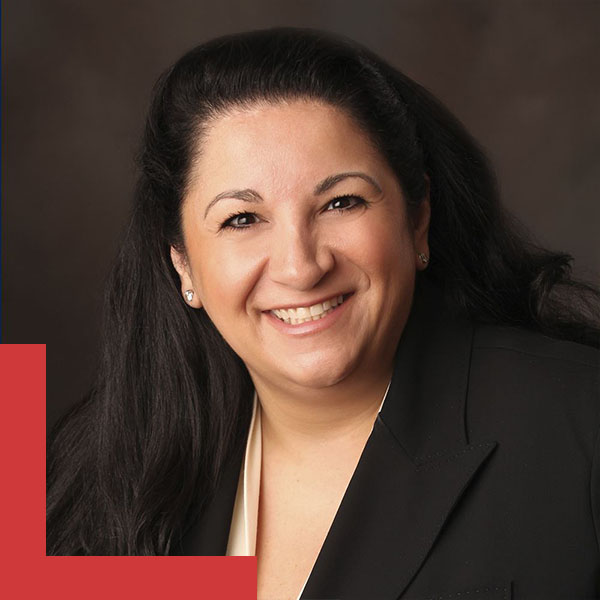
Mary Elizabeth Tenn
Attorney
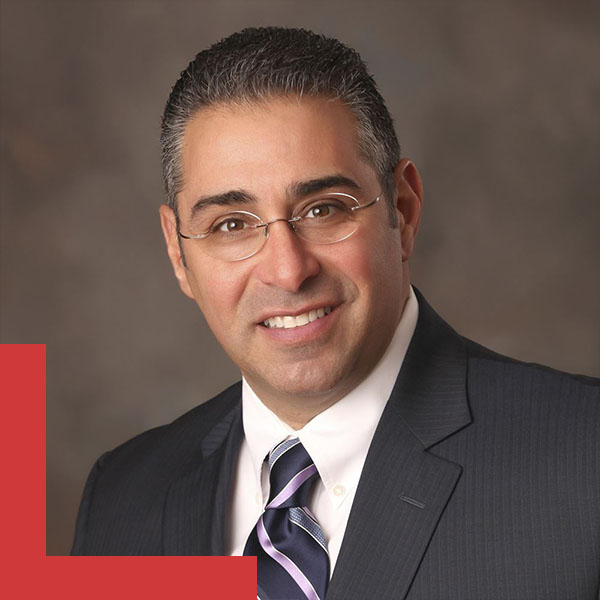
John J. Tenn
Attorney
Can Private Social Media Posts Be Obtained?
Changing your privacy settings is sensible, but it does not necessarily make social media evidence unreachable.
Public posts can be discovered without access to a private account. Once a personal injury lawsuit begins, relevant electronic information may also become an issue during discovery.
New Hampshire courts have addressed the authentication of Facebook messages and other electronic evidence. In State v. Palermo, the New Hampshire Supreme Court determined that the state’s established authentication rules could apply to Facebook messages. More recently, State v. Chandler discussed authentication of social media evidence under New Hampshire Rule of Evidence 901 and explained that electronically stored information and screenshots may fall within established evidentiary rules.
Those decisions arose in criminal cases rather than car accident claims, but they illustrate a key point: New Hampshire courts do not treat social media as automatically unusable merely because the information originated online.
Should You Delete Posts After an Accident?
Do not assume that deleting everything is the answer.
If a claim or lawsuit is pending or reasonably anticipated, deleting potentially relevant material can create preservation issues. Instead of trying to erase your online history, speak with your attorney about what should be preserved and how you should handle your accounts.
You can still take reasonable steps to reduce unnecessary exposure. Review privacy settings, avoid accepting unfamiliar friend or follow requests, and consider limiting new activity.
Most importantly, do not post new content about your accident, injuries, medical treatment, insurance negotiations, or legal case.
What Should You Avoid Posting After a New Hampshire Car Accident?
A useful rule is to avoid posting anything that you would not want an insurance adjuster or defense attorney reviewing.
Be particularly cautious about:
Accident details. Do not post descriptions, theories, photographs accompanied by commentary, or statements about who caused the crash.
Your physical condition. Recovery can change from one day to another. A brief statement about feeling better may not accurately represent your medical condition.
Physical activities. Photographs showing hiking, exercising, lifting, traveling, home projects, or recreational activities may be scrutinized when physical limitations are disputed.
Settlement discussions. Keep communications concerning offers, negotiations, and case strategy offline.
Angry comments about the other driver or insurer. Emotional posts rarely help establish the facts of a claim.
Medical information. Your diagnosis and treatment should be documented through appropriate medical records rather than social media updates.
New Hampshire attorneys routinely advise accident victims to avoid social media discussions because posts can be taken out of context or used to challenge a claim.
What If You Already Posted Something?
A questionable post does not automatically destroy your car accident claim.
Do not panic, argue with the insurance company online, or start deleting material without obtaining legal advice. Tell your attorney what was posted, when it was posted, and whether anyone commented on or shared it.
Context may make a substantial difference.
For example, a photograph that appears to show an injured claimant hiking could actually have been taken months before the collision. A photograph from a family event may show only a few seconds from an otherwise painful day. A person photographed standing may have spent most of the event sitting.
An experienced New Hampshire car accident lawyer can evaluate the post within the complete evidentiary record rather than allowing an isolated image or sentence to define the claim.
See What Our Clients Are Saying About Us

Attorney John Tenn and his entire team are amazing people! If you need a lawyer, he is the man to call! He handled my case in a professional matter and took the stress out of it all.
Mallory C.

The whole team were very professional and responsive. My case was effectively handled with good communication during the process. Very satisfied with the outcome. Highly recommend!
A. McMillan
How a New Hampshire Car Accident Attorney Can Help
A personal injury claim involves far more than social media. Medical records, crash photographs, witness accounts, police information, wage documentation, insurance correspondence, and evidence concerning fault may all affect the outcome.
Legal counsel can help by:
- Preserving evidence from the collision
- Communicating with insurance adjusters
- Evaluating disputes about comparative fault
- Documenting medical expenses and lost income
- Identifying evidence that supports physical limitations
- Responding when an insurer takes a social media post out of context
- Negotiating for appropriate compensation
- Preparing the case for litigation when settlement negotiations fail
The firm’s existing New Hampshire car accident resources also emphasize the value of experienced legal assistance in handling injury claims and insurance issues.
Speak With a Trusted New Hampshire Car Accident Attorney Today
If an insurance company is investigating your social media after a crash, or if you are concerned that something you posted could affect your claim, get legal advice before taking further action. Tenn And Tenn, PA represents car accident victims throughout New Hampshire and can help protect your rights while dealing with insurance companies. Call (603) 614-5055 today to schedule a free, confidential consultation and discuss your New Hampshire car accident claim.
Millions in Verdicts & Settlements
The attorneys at Tenn And Tenn are ready to help you solve your legal problems and obtain results.
$9,000,000
Pedestrian Accident
$2,225,000
Motorcycle Collision
$2,224,000
CarAccident


 |

 |