
Motorcycle accidents in New Hampshire can result in severe injuries, long-term medical costs, and significant property damage. Tenn And Tenn, PA, has extensive experience assisting individuals involved in these complex cases, helping them understand their legal rights and pursue compensation. Determining liability in a motorcycle accident is often not straightforward, as multiple parties may share responsibility. Knowing the common causes of motorcycle accidents and the methods for proving fault is critical to protecting your rights and securing fair compensation.




Common Causes of Motorcycle Accidents 
Motorcycle crashes occur for a variety of reasons, many of which are preventable. New Hampshire’s roads, traffic patterns, and seasonal weather conditions contribute to unique risks for riders. One of the most frequent causes is left-turn collisions, where a vehicle fails to see an oncoming motorcycle and turns directly into its path. These crashes often result in severe injuries because motorcycles offer little protection compared to cars or trucks. Speeding is another major factor; both motorcyclists and other drivers who exceed speed limits increase the likelihood of crashes and exacerbate injury severity.
Distracted driving has become a significant contributor, with phone use, navigation systems, and other distractions causing drivers to overlook motorcycles sharing the road. Lane changes without signaling, unsafe passing, and weaving through traffic can also precipitate accidents. Motorcyclists must remain vigilant, but the responsibility often falls on other drivers who fail to anticipate a motorcycle’s presence. Road hazards like potholes, debris, and poorly maintained surfaces further endanger riders, especially during New Hampshire’s wet spring and icy winter months. Finally, adverse weather conditions reduce traction and visibility, making accidents more likely and increasing the importance of proper defensive riding practices.
James J. Tenn, Jr. Mary Elizabeth Tenn John J. Tenn
Attorney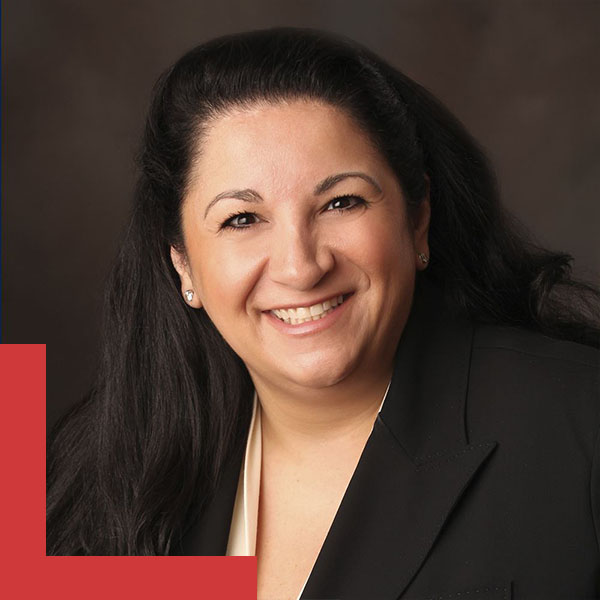
Attorney
Attorney
Determining Who Is Liable
Liability refers to the legal responsibility for the accident and resulting injuries. New Hampshire follows comparative negligence laws, meaning fault can be shared among multiple parties. Even if a motorcyclist shares some responsibility, they may still recover damages proportionally based on other parties’ degrees of fault. Establishing liability requires careful examination of multiple factors, including police reports, witness statements, traffic violations, and the circumstances leading to the crash.
Police reports provide initial guidance by documenting the accident scene, vehicle positions, and preliminary findings regarding fault. Traffic law violations, such as failure to yield, running a red light, or unsafe lane changes, help identify negligent behavior. Accident reconstruction experts may analyze evidence like skid marks, vehicle damage, and impact angles to clarify responsibility. Insurance documentation and witness accounts further support the determination of fault. Understanding how these elements interact is crucial for proving liability and building a strong case.
Proving Fault in New Hampshire Motorcycle Accidents
Proving fault requires evidence demonstrating negligence. Motorcyclists and their attorneys should immediately document the scene, capturing photographs of vehicles, road conditions, and skid marks. Medical reports are essential to link injuries to the accident, while witness testimony can corroborate the motorcyclist’s account. Accident reconstruction specialists provide detailed analysis to support claims, especially in complex collisions involving multiple vehicles.
Millions in Verdicts & Settlements The attorneys at Tenn And Tenn are ready to help you solve your legal problems and obtain results. Pedestrian Accident Motorcycle Collision CarAccident$9,000,000
$2,225,000
$2,224,000
An experienced New Hampshire attorney can gather this evidence, identify liable parties, negotiate with insurers, and represent clients in court if necessary. These legal professionals understand the nuances of liability, insurance regulations, and state-specific traffic laws, helping ensure the motorcyclist’s rights are fully protected.
Multiple Parties May Be Responsible
In some accidents, liability extends beyond a single driver. Other drivers are often at fault in intersection collisions, particularly left-turn crashes. Motorcycle manufacturers can share liability if defective parts or recalled components contributed to the accident. Government entities may be responsible when poorly maintained roads or inadequate signage create hazards. Third-party contractors, such as delivery or ride-share companies, may also bear responsibility if their employees were negligent. Recognizing all potentially liable parties ensures comprehensive claims and maximizes compensation for injured riders.
Legal Support from Experienced Attorneys
Tenn And Tenn, PA, can guide clients through every stage of a motorcycle accident claim. Attorneys help evaluate accidents, collect evidence, identify responsible parties, and negotiate settlements. When necessary, they provide aggressive representation in court. Legal professionals advocate for compensation covering medical expenses, lost wages, pain and suffering, and property damage. By collaborating with experts, clients receive a thorough and strategic approach, increasing the likelihood of a favorable resolution.
Safety Considerations for Motorcyclists
While legal support is essential, proactive safety measures can reduce the risk of accidents. Riders should maintain their motorcycles in optimal condition, wear protective gear, and adhere to speed limits. Awareness of weather conditions, proper signaling, and defensive riding techniques further minimize risks. Awareness campaigns and adherence to New Hampshire’s road safety regulations contribute to overall accident prevention.
Resources and Further Guidance
Tenn And Tenn, PA, provides valuable information and support for motorcyclists navigating the aftermath of an accident. For detailed guidance, clients can access New Hampshire motorcycle safety tips, understand the legal framework for motorcycle crashes, and explore resources on DUI and DWI cases affecting riders and other drivers. These resources help victims make informed decisions while protecting their legal rights.
If you or a loved one has been involved in a motorcycle accident in New Hampshire, contact Tenn And Tenn, PA, for skilled legal guidance. Our attorneys provide dedicated support to protect your rights, navigate complex liability issues, and pursue the best possible outcome. Schedule a free consultation today to ensure your claim is handled with expertise and care.
Disclaimer
This content is for informational purposes only and does not constitute legal advice. Consult an attorney for guidance specific to your situation.
To learn more about this subject click here: Where are Motorcycle Accidents Most Likely to Occur?


 |

 |