
Underage drinking is a critical issue that can have both immediate and long-lasting consequences, especially for young people in New Hampshire. While the state has a legal drinking age of 21, underage individuals often face legal charges for possessing or consuming alcohol before reaching this age. It’s essential to understand the risks and legal consequences of underage drinking, as well as the potential health impacts that can extend beyond legal penalties.
What Is Underage Drinking in New Hampshire? 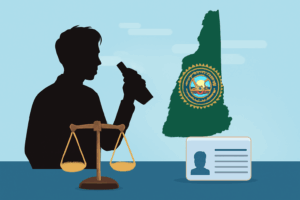
Underage drinking occurs when anyone under the age of 21 possesses, consumes, or attempts to purchase alcohol. In New Hampshire, underage drinking is strictly prohibited. The state enforces a zero-tolerance policy, which means that even a minimal amount of alcohol in the bloodstream of a minor can result in serious consequences. Possession of alcohol by minors, even without consuming it, can lead to severe legal penalties. This makes it crucial for young individuals to be aware of the law and the penalties associated with breaking it.
The legal consequences of underage drinking are far-reaching, affecting not only a person’s immediate future but also their long-term opportunities. Depending on the offense, the penalties can vary, but the core legal framework remains the same. There are serious financial and administrative consequences for those caught breaking the law, as well as implications for driving privileges, education, and future employment prospects.
James J. Tenn, Jr. Mary Elizabeth Tenn John J. Tenn Working hard to obtain the best results possible for our clients and fighting to protect their rights.

Attorney
Attorney
Attorney
Penalties for Underage Drinking in New Hampshire
The legal penalties for underage drinking in New Hampshire can be severe, especially for those charged with their first offense. Minors caught with alcohol face a range of consequences that can include fines, mandatory alcohol education programs, and a potential criminal record.
One of the most immediate consequences for underage drinking is the imposition of fines. For a first-time offense, the fine can be up to $500. This is a significant financial burden, especially for young individuals who may not have substantial incomes. Repeat offenders may face even steeper fines, and there are often additional penalties that follow for those who continue to break the law.
Another consequence of underage drinking is the suspension of a minor’s driver’s license. This can be especially impactful for teenagers who rely on their licenses for transportation. If a minor is found guilty of underage drinking, their driver’s license may be suspended for anywhere from 90 days to one year, depending on the severity of the offense and whether it’s a repeat occurrence.
Perhaps the most damaging long-term consequence of underage drinking is the possibility of a criminal record. A conviction for underage drinking may be categorized as a criminal offense, which can have significant consequences for future opportunities. Whether a person plans to attend college, apply for a job, or pursue other opportunities, having a criminal record can make these goals more difficult to achieve. A criminal record can also impact the ability to receive certain benefits, such as student loans, housing, or professional licenses.
Health Risks of Underage Drinking
Beyond the legal ramifications, underage drinking presents serious health risks, especially for young people. Research has shown that alcohol consumption during adolescence can interfere with the normal development of the brain, leading to cognitive impairments, poor decision-making, and memory issues. This is particularly true for individuals whose brains are still developing well into their twenties.
Drinking alcohol at a young age can also increase the likelihood of developing alcohol dependency later in life. People who start drinking before the age of 21 are more likely to develop problems with alcohol as they get older, which can lead to addiction and a range of related health problems. This includes liver disease, heart disease, and neurological issues, all of which can significantly shorten a person’s lifespan and quality of life.
Additionally, underage drinking is often linked to other risky behaviors, such as driving while intoxicated, getting into fights, or engaging in unprotected sexual activity. These behaviors can lead to accidents, injuries, or even death. Young people who drink are also more likely to engage in risky driving behavior, leading to motor vehicle accidents that can have life-changing consequences for themselves and others.
Social and Educational Consequences
Underage drinking doesn’t just affect a person’s health and legal standing – it can also have social and academic consequences. For many young people, drinking alcohol can lead to issues with friends, family, and other social relationships. Alcohol can impair judgment and lead to poor decisions that can damage relationships with peers and family members.
Underage drinking can also have an impact on academic performance. Students who drink alcohol may find that their grades suffer due to poor concentration, missed classes, or an inability to study effectively. In some cases, underage drinking can even result in expulsion or suspension from school, further impacting educational prospects.
In terms of social consequences, being caught for underage drinking can lead to social stigma. The young person may face judgment from peers, teachers, or even employers. This stigma can have lasting effects on a person’s self-esteem and social standing, making it difficult for them to move forward and pursue their goals.
Defenses Against Underage Drinking Charges
While underage drinking carries significant penalties, there are defenses that a person can explore if they are charged. A skilled attorney can help minors understand their rights and the best course of action to take to protect their future. Some potential defenses include:
- Improper Search and Seizure: If the police did not have probable cause to stop or search a person, or if evidence was obtained unlawfully, this can provide a basis for challenging the charges.
- Lack of Evidence: In some cases, the prosecution may fail to prove that the individual was actually drinking or in possession of alcohol at the time of the alleged offense. If the evidence is insufficient, the charges may be dismissed or reduced.
- False Identification: There are instances where someone may use a fake ID to purchase alcohol. If the minor was not the one who used the ID and didn’t actually possess alcohol, it could be argued that they were wrongly accused.
While there are defenses available, it’s crucial to consult with a legal professional who specializes in criminal defense. Tenn and Tenn, PA has extensive experience in handling these types of cases and can help protect minors’ rights.
How Tenn and Tenn, PA Can Help You
If you or a loved one has been charged with underage drinking in New Hampshire, Tenn and Tenn, PA can help you navigate the legal process. With over 30 years of experience in criminal defense law, the attorneys at Tenn and Tenn, PA are committed to providing effective legal representation and ensuring that your rights are upheld. They will help you understand the charges, explore your options, and work towards the best possible outcome for your case.
The firm’s attorneys will provide a thorough analysis of your case and determine if there are any legal defenses available. They will also ensure that all evidence is properly handled and that you have the best chance of avoiding the severe penalties associated with underage drinking.
Underage drinking is more than just an offense in New Hampshire – it’s a serious crime with far-reaching consequences. From legal penalties to health risks, the ramifications of underage drinking can impact a young person’s future in numerous ways. However, with the right legal guidance, it’s possible to minimize these consequences and take steps toward a brighter future. If you’re facing charges for underage drinking, contact Tenn and Tenn, PA today to learn more about how their experienced team can help you.
To learn more about this subject click here: Underage Drinking Brings Both Health and Legal Penalties in NH


 |

 |