
When you’re driving during the busy holiday weekends in New Hampshire, there’s a chance that you may encounter a DUI checkpoint. The law enforcement officers stationed at these checkpoints are on the lookout for impaired drivers, and they are authorized to perform a variety of tests, including the breath test. However, what happens if you decide to refuse the breath test at one of these checkpoints? In this situation, the consequences can be severe, affecting your driving privileges and your future in ways you may not expect.
In New Hampshire, refusing a breath test during a checkpoint has serious implications. The state’s laws are clear, and the consequences extend far beyond just the refusal itself. Understanding these laws and the process that follows can make all the difference when you’re dealing with a potential license suspension. If you’ve refused a breath test during an October holiday weekend in New Hampshire, it’s important to know what you can expect next in terms of your license and the steps you can take moving forward.
New Hampshire DUI Checkpoints and Breath Test Refusals 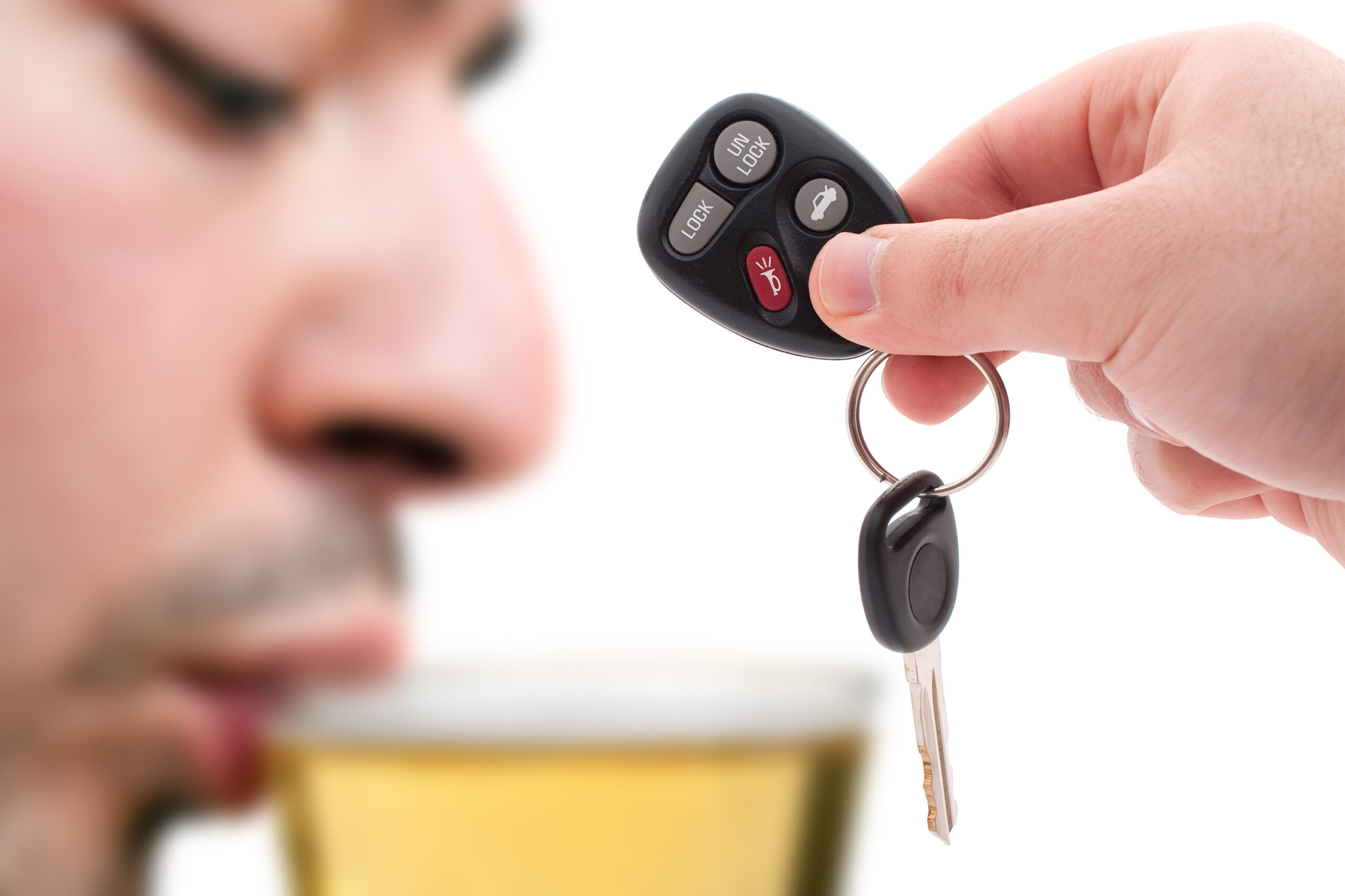
New Hampshire law mandates that if you are stopped at a DUI checkpoint and are asked to take a breath test, your refusal to comply will trigger an immediate consequence: a license suspension. This holds true regardless of whether you are found to be under the influence of alcohol or drugs. Even if you are later found not guilty of driving while intoxicated, your refusal to take the test will still lead to administrative penalties.
The refusal to take a breath test at a checkpoint is treated seriously in New Hampshire. One of the key aspects to understand is that the suspension is automatic. In other words, once you refuse, the state will initiate the suspension without needing a conviction for DUI. This is an administrative penalty, which means it happens without a trial in court. As a result, it can be difficult to challenge the suspension once it has been imposed, making it essential to understand the process and what can be done to mitigate the consequences.
James J. Tenn, Jr. Mary Elizabeth Tenn John J. Tenn Working hard to obtain the best results possible for our clients and fighting to protect their rights.

Attorney
Attorney
Attorney
The Process After Refusing the Breath Test
Once you refuse a breath test, the officer will likely take immediate action, including confiscating your driver’s license. You will be given a temporary permit, allowing you to drive for a limited period, typically about 30 days. This temporary permit provides you with some leeway, but it is critical to understand that the clock is ticking. After the temporary permit expires, your driving privileges could be fully suspended, and that is when the real consequences begin.
The length of the suspension depends on several factors, including whether you have refused a breath test before and whether you have any prior history of DUI-related offenses. For a first offense, the suspension can last anywhere from six months to one year. However, if you have refused a breath test in the past or have prior DUI offenses, the suspension could be longer. The severity of the penalty also depends on the specific circumstances surrounding your arrest and whether or not you request a hearing to contest the suspension.
Requesting a Hearing to Contest the Suspension
New Hampshire law provides you with an opportunity to contest the license suspension by requesting a hearing. However, this must be done within a certain timeframe, typically 30 days from the date of your arrest. If you fail to request the hearing within this period, the suspension will take effect automatically, and you may lose your right to contest it later.
At the hearing, you will have the chance to present evidence and arguments as to why the suspension should be reduced or overturned. This is an important opportunity, and having legal representation can significantly impact the outcome of the hearing. An experienced attorney specializing in DUI defense can help you navigate the complexities of the hearing process and potentially reduce the length of your suspension.
What Happens During the Hearing
During the hearing, the New Hampshire Department of Safety will review the circumstances surrounding your refusal to take the breath test. This includes the details of your encounter with law enforcement officers at the checkpoint. You may be asked to provide information on why you refused the test, and you will have the chance to argue your case.
If the hearing officer finds that the refusal was valid or that the suspension is justified, the full suspension will remain in place. However, if the officer finds that the suspension was not warranted, it may be reduced or overturned altogether. For instance, if there were any violations of your rights during the checkpoint or arrest process, it could work in your favor.
One critical point is that the hearing is not a trial in which the state has to prove beyond a reasonable doubt that you were intoxicated. Instead, it is an administrative review to determine if the suspension of your license is legally justified based on the facts of your refusal.
Impact on Your Driver’s License and Driving Privileges
If you refuse the breath test, the consequences can extend far beyond just the suspension of your license. New Hampshire law requires that once your license is suspended, you may also have to pay additional fees to reinstate your driving privileges. These fees can be steep, especially if your suspension is lengthy. In some cases, you may also be required to complete a DUI education program or other conditions before your license is reinstated.
Additionally, a refusal to take the breath test can have longer-term effects on your driving record. While a DUI conviction remains on your record for years, a refusal to take the breath test can also be marked as a violation. This could affect future insurance rates, make it difficult to obtain certain types of employment, and impact your personal and professional life.
Steps to Minimize the Consequences of Refusing the Breath Test
There are several steps you can take to minimize the consequences after refusing the breath test at a DUI checkpoint. First and foremost, you should consult with an attorney who specializes in DUI and DWI defense. A skilled attorney can help you understand the full scope of the penalties you are facing and can advise you on how best to proceed with your case.
Second, request a hearing as soon as possible. This is your opportunity to contest the license suspension and potentially reduce the length of the suspension. If you fail to act quickly, you may lose your chance to challenge the suspension altogether.
Finally, you should explore reinstatement options. In some cases, it may be possible to apply for a hardship license, which would allow you to continue driving for certain purposes, such as getting to and from work or attending medical appointments. However, applying for a hardship license is a separate process and requires you to meet certain eligibility criteria.
Why It’s Important to Act Quickly
The longer you wait to address the consequences of refusing a breath test, the harder it may be to resolve the situation favorably. Time is a critical factor in the process, and failing to take immediate action can lead to the suspension becoming final. If you act quickly and work with an attorney, you can ensure that you are making the best possible decisions at each step of the process.
Additionally, an experienced attorney can help you understand whether there is any way to challenge the suspension based on procedural errors or other factors that may not have been properly addressed during your arrest. This could make all the difference in reducing the severity of the penalties you are facing.
Tenn And Tenn, PA Can Help with Your DUI Defense
If you’ve been arrested and refused a breath test at a checkpoint, Tenn And Tenn, PA is here to help. Our experienced team of DUI defense attorneys understands the complexities of New Hampshire’s DUI laws and the penalties for refusing a breath test. We are committed to fighting for your rights and helping you minimize the impact on your driving privileges.
We offer a free consultation to discuss the specifics of your case and provide you with the legal guidance you need to move forward. Whether you want to contest the suspension or explore other options, Tenn And Tenn, PA can help you navigate the process and work towards a favorable outcome.
To learn more about this subject click here: Can You Refuse a Breathalyzer Test in New Hampshire?


 |

 |