
Fall in New Hampshire brings the harvest season, and with it comes the excitement of hayrides, corn mazes, and pumpkin patches. These outdoor activities are a staple of local farms, offering fun-filled memories for families and friends alike. However, as with any outdoor adventure, accidents can and do happen. Farms often require visitors to sign waivers to participate in activities like hayrides and corn mazes, assuming that these waivers will shield them from liability in the event of an injury.
But what happens if you are injured while on a hayride or navigating a corn maze? Can a waiver truly protect a farm from a personal injury claim? The short answer is no. New Hampshire law allows people to waive certain rights, but it places limits on what can be waived. Even if you signed a waiver before participating in a farm activity, it may not necessarily prevent you from pursuing an injury claim. This blog will break down the important factors to understand about farm waivers and how they impact injury claims in New Hampshire.
What Are Farm Waivers? 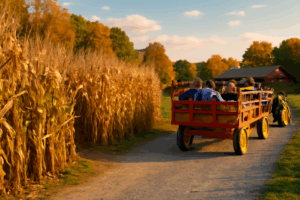
Farm waivers are legal documents that visitors sign to acknowledge that certain risks exist during activities like hayrides, pumpkin picking, or corn mazes. By signing the waiver, visitors agree that the farm is not responsible for injuries sustained while participating in these activities. These waivers are common for activities that involve physical movement or machinery, which could result in accidents.
While these waivers are intended to protect farm owners from liability, they are not always bulletproof. New Hampshire law upholds the idea that individuals have the right to waive liability for certain activities, but it also imposes restrictions on waivers that attempt to protect against gross negligence or intentional harm. In other words, if a farm’s negligence caused the injury, a waiver might not hold up in court.
James J. Tenn, Jr. Mary Elizabeth Tenn John J. Tenn Working hard to obtain the best results possible for our clients and fighting to protect their rights.

Attorney
Attorney
Attorney
How Do Farm Waivers Work in New Hampshire?
In New Hampshire, waivers are typically enforceable, but only in limited situations. For a waiver to be valid, it must meet certain criteria. It should clearly outline the risks associated with the activity and must be voluntarily signed. However, a waiver will not protect the farm if it is found that the injury was caused by the farm’s failure to take reasonable safety precautions or if the accident occurred due to unsafe conditions created by the farm’s actions or inactions.
For example, if a farm fails to properly maintain its hayride equipment, resulting in a breakdown or accident, the waiver may not protect the farm. Similarly, if a visitor sustains an injury due to the farm’s negligence in not properly supervising a hayride, a waiver will likely not prevent them from pursuing a claim.
When a Waiver Doesn’t Hold Up in Court
While waivers are enforceable under New Hampshire law, they are not immune to legal scrutiny. If the waiver fails to account for serious negligence, the court may deem it invalid. Some of the most common scenarios where a waiver may not stand up in court include:
Negligent Maintenance of Equipment
If the farm fails to maintain the hayride equipment, such as the tractor, or neglects to inspect the vehicle for safety risks, they could be held liable if an injury occurs due to mechanical failure.
Failure to Address Unsafe Conditions
If the farm creates hazardous conditions, such as obstacles on the hayride path or poor lighting in a corn maze, and does not take reasonable steps to mitigate those risks, a waiver may not protect them from a lawsuit.
Inadequate Supervision
Farms that fail to properly supervise their activities may be found liable if an injury occurs because of inadequate oversight. For instance, if the farm fails to ensure that passengers are safely seated during a hayride or that children are supervised during a maze, they could be responsible for any injuries that arise.
The Role of Negligence in Personal Injury Claims
Negligence plays a central role in personal injury claims, and it is key to understanding when a waiver may not be enough to protect a farm from liability. In a personal injury case, negligence refers to the farm’s failure to exercise reasonable care in preventing accidents and injuries. This could involve failing to maintain equipment, not following proper safety protocols, or overlooking dangerous conditions that could harm visitors.
In New Hampshire, courts allow victims of accidents to pursue legal action if they can prove that the farm’s negligence caused their injury. Even if the victim signed a waiver, the farm’s negligence can render the waiver invalid. In many cases, courts will look closely at the circumstances surrounding the injury to determine whether the farm acted with reasonable care.
Steps to Take After an Injury on a Hayride or in a Corn Maze
If you are injured while participating in an activity on a farm, there are several important steps you should take to ensure that your rights are protected and that you have the best chance of pursuing a personal injury claim:
Seek Medical Attention
Your health and safety are the top priority. Seek medical attention for your injuries, and ensure that all injuries are properly documented by healthcare professionals. This will also create a record that may be important for your case.
Document the Incident
Take photos of the scene, including any equipment involved and any conditions that may have contributed to the injury, such as obstacles or poor lighting. Collect contact information from any witnesses who saw the accident occur.
Do Not Settle Too Quickly
While it may be tempting to accept a quick settlement or apology, it is important not to settle before fully understanding the extent of your injuries. Sometimes, injuries may worsen over time, and you may be entitled to compensation for long-term care or lost wages.
Consult with an Attorney
Personal injury cases can be complex, especially when a waiver is involved. Contact a personal injury attorney who has experience handling cases in New Hampshire. They can help you assess your legal options and determine whether you have a viable claim despite the waiver.
Why You Shouldn’t Assume a Waiver Ends Your Claim
Signing a waiver should not automatically discourage you from pursuing a claim if you are injured at a New Hampshire farm. While waivers are enforceable in many cases, they are not always enough to prevent you from seeking justice. In cases of negligence or unsafe conditions, a farm may still be held responsible for your injuries.
Tenn And Tenn, PA specializes in personal injury law and can help guide you through the legal process, even when a waiver is involved. If you were injured at a farm in New Hampshire, it’s important to have an experienced attorney by your side to navigate the complexities of your case.
Contact Tenn And Tenn, PA Today
If you or a loved one has been injured while participating in an activity at a New Hampshire farm, don’t assume that signing a waiver eliminates your ability to file an injury claim. Tenn And Tenn, PA offers free consultations to evaluate your case and help you understand your legal options. Contact us today to discuss your potential claim and take the first step toward obtaining the compensation you deserve.
To learn more about this subject click here: Which Injury Types Most Often Result in Hospitalization?


 |

 |