
In New Hampshire, hunting is both a cherished tradition and a legal responsibility. However, when you’re cited for hunting-related violations such as firearms offenses, trespassing, or game-law violations, it’s important to understand what comes next. Knowing the potential consequences of these charges and the court process can help you prepare for your legal defense. From the initial citation to the trial, understanding what to expect is crucial for navigating the legal landscape in the Granite State.
New Hampshire Hunting Violations: Understanding the Consequences 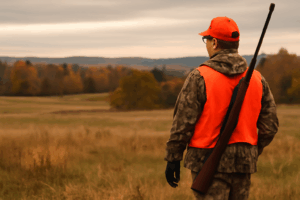
New Hampshire offers some of the most scenic and abundant hunting grounds in the region. Whether it’s for white-tailed deer, wild turkey, or other game, hunters enjoy access to vast public and private lands. But with this access comes the responsibility to abide by state laws designed to protect wildlife, property, and the safety of all residents. Violations of hunting regulations, including firearms charges, trespassing, or game-law violations, can carry serious legal consequences that may include fines, the loss of hunting privileges, and even jail time.
James J. Tenn, Jr. Mary Elizabeth Tenn John J. Tenn Working hard to obtain the best results possible for our clients and fighting to protect their rights.

Attorney
Attorney
Attorney
Firearms Violations: Strict Regulations and Severe Penalties
New Hampshire has a reputation for its firearm laws, which are generally more permissive than those in many other states. However, hunters are still required to follow specific rules when it comes to possessing and using firearms while hunting. If you are caught carrying a firearm without proper registration or using an illegal weapon, the legal consequences can be severe.
Possessing an unregistered firearm while hunting is one of the most common violations. The penalties for carrying an unregistered firearm range from hefty fines to possible jail time, especially if you are found to be in possession of a weapon that is prohibited under state law, such as a silenced weapon or a weapon with an altered serial number. Additionally, hunting with a firearm that has been altered, such as a rifle with a shortened barrel or a shotgun with an illegal choke, can lead to even stricter penalties, including felony charges in some instances.
Moreover, if the firearm is used in the commission of a crime—such as trespassing or poaching—the penalties can become even more severe. In these cases, the hunter may face additional criminal charges, including burglary or illegal wildlife harvesting, which may be prosecuted as felonies. If convicted, these offenses could result in permanent restrictions on the person’s ability to own firearms in the future.
Trespassing: Protecting Property Rights in New Hampshire
Trespassing is another common charge faced by hunters in New Hampshire, particularly in rural areas with large parcels of private land. Many hunting accidents, or legal issues, arise when hunters unknowingly or willfully enter private property without permission.
In New Hampshire, private property rights are taken seriously, and landowners have the right to protect their land from unauthorized use. If a hunter is caught trespassing, the severity of the charge depends on several factors, including whether the land was posted with “no trespassing” signs, whether the landowner presses charges, and whether the trespass was intentional or accidental.
Trespassing charges can range from a simple infraction to a misdemeanor, depending on the circumstances. If the trespassing involves hunting without the landowner’s permission, or if the trespass results in property damage (such as broken fences, destroyed crops, or injured livestock), the charge can escalate to a felony. The hunter may also be required to pay restitution to the property owner for any damage caused.
Hunters who have been caught trespassing will often find that they are banned from the land in question, and repeat offenders can face more significant penalties, including fines or longer-term hunting bans. In some cases, a trespassing charge can lead to loss of hunting licenses, which can be a devastating penalty for avid hunters.
Game-Law Violations: The State’s Wildlife Conservation Efforts
New Hampshire’s Fish and Game laws are designed to balance hunting with the need for wildlife conservation. Violating these laws can result in heavy penalties, as they are specifically intended to protect the state’s natural resources.
Violations of game laws typically include illegal hunting methods (such as using spotlighting or traps), hunting out of season, or hunting endangered species. The consequences of violating game laws are typically determined by the severity of the infraction. For example, hunting a species that is endangered or overhunted in New Hampshire, such as the Eastern Cougar, carries significant fines and the risk of losing hunting privileges for an extended period.
Even if a hunter does not intentionally break these laws, such violations can still have consequences. For instance, unknowingly hunting on closed land, using illegal bait, or failing to report the harvest of game in the correct manner can lead to fines and the suspension of hunting privileges.
Many hunters are unaware of the restrictions placed on hunting methods, such as hunting with high-powered rifles or using a bow during the wrong season. These violations, although seemingly small, can be costly both in terms of fines and lost hunting opportunities.
Navigating the Court System: What Happens After You Are Cited?
If you have been cited for a hunting violation in New Hampshire, it’s important to understand what happens next. From the initial citation to the trial, there are several stages in the legal process. Here’s what you can expect if you find yourself facing charges related to firearms, trespassing, or game law violations.
The Arraignment: Initial Court Appearance
The first step in the process is an arraignment, where the charges against you will be formally read. At this hearing, the court will explain the nature of the charge, and you will be asked to enter a plea. In most cases, you can plead guilty, not guilty, or no contest.
If you plead not guilty, the court will set a trial date, and you may be released on bail if the charges are less serious. The judge will explain the conditions of your release, such as whether you are allowed to continue hunting or whether you must surrender your hunting license while awaiting trial.
Pretrial Motions and Discovery: Building Your Defense
After the arraignment, the next phase involves pretrial motions, which may include requests to dismiss the charges, suppress evidence, or change the venue of the trial. During this time, both the defense and the prosecution will share evidence (known as “discovery”) to ensure a fair trial.
For a hunting violation case, the defense attorney will review the evidence, including witness testimony, the officer’s report, and any expert testimony related to hunting laws. If there is evidence that the defendant was unaware of the laws or did not intentionally violate them, the defense attorney will use this to argue for a lesser penalty or to seek a dismissal.
The Trial: What Happens in Court
If the case goes to trial, both the prosecution and defense will present their arguments. The prosecution will attempt to prove that the defendant committed the violation beyond a reasonable doubt, while the defense will argue that the charges are either incorrect or the violation was unintentional.
In a hunting-related trial, the prosecution may call officers, experts, or landowners as witnesses. The defendant may also testify in their defense or present evidence such as photographs, hunting permits, or witness statements to show that they were not intentionally violating the law.
Sentencing and Penalties: What to Expect After the Verdict
If you are found guilty of the charges, the judge will decide on the appropriate penalty. The penalties for hunting violations vary depending on the charge. Common penalties include:
- Fines: A monetary fine may be imposed, with the amount varying depending on the severity of the violation.
- Jail Time: For more serious violations, such as using an illegal firearm or trespassing on private property with intent, jail time may be ordered.
- Probation: A sentence of probation may be imposed, requiring the defendant to comply with specific conditions, such as attending hunting safety courses.
- Loss of Hunting Privileges: The court may suspend the defendant’s hunting privileges for a period of time, making it illegal for them to hunt in New Hampshire.
In some cases, the court may order restitution to the landowner or other affected parties, particularly in trespassing cases where damage to property occurred.
How Tenn And Tenn, PA Can Assist with Your Hunting Violation Case
If you have been cited for a hunting violation in New Hampshire, Tenn And Tenn, PA can provide the legal support you need. Our experienced attorneys specialize in criminal defense, including firearms and game-law violations, and we can help you navigate the complexities of the court system.
We will review your case, assess the evidence, and build a solid defense to minimize penalties or potentially have the charges reduced or dismissed. Our team will work tirelessly to ensure you receive a fair trial and a favorable outcome.
Don’t face a hunting-related charge alone—contact Tenn And Tenn, PA today to schedule your free consultation. We’re here to help you protect your rights and your hunting privileges.
To learn more about this subject click here: Unarmed New Hampshire Man Shot By Police


 |

 |