
If you’re arrested for DWI (Driving While Intoxicated) in New Hampshire during the winter months, you may be confused about the arraignment process. This guide will help you understand what happens at a DWI arraignment, especially during winter crackdowns, and what steps you need to take to navigate this legal situation effectively.
What is a DWI Arraignment? 
A DWI arraignment in New Hampshire is a critical first step in the legal process after a DWI arrest. It is the court’s formal way of informing you of the charges against you and setting the stage for the legal proceedings that follow. During this hearing, you will be required to enter a plea—usually “not guilty”—and the judge will consider the conditions under which you can be released until your trial. It is essential to understand that this is not the stage where you argue the facts of the case; rather, it is a procedural step that serves to inform you of the charges and set the legal framework for what comes next.
During the winter months, New Hampshire experiences an increase in DWI arrests due to seasonal factors like icy roads, increased alcohol consumption during the holidays, and winter driving hazards. As a result, winter crackdowns are a common occurrence, and you should be aware that they often come with heightened law enforcement presence and stricter enforcement of DWI laws.
The Legal Process: From Arrest to Arraignment
The moment you’re arrested for a DWI in New Hampshire, the clock starts ticking toward your arraignment. Typically, the arraignment happens within a few days of your arrest. The purpose of this hearing is to:
- Formally inform you of the charges: You will be told about the DWI charge you’re facing, and the prosecution will outline the evidence that has been gathered against you.
- Determine conditions of release: If you’ve been arrested for DWI, you may face restrictions on your ability to leave the courthouse. This could include conditions like posting bail, agreeing to alcohol monitoring, or wearing an ankle bracelet. In some cases, the judge might impose a restriction on your travel or require you to surrender your driver’s license immediately.
- Set future court dates: You will be informed of future court dates for pretrial motions, hearings, and your trial if applicable. These dates are essential to understand so that you can prepare your defense with your lawyer.
During the winter crackdowns, the process may involve stricter scrutiny of the circumstances surrounding your arrest. Police departments often ramp up DWI enforcement in response to the increased number of alcohol-related accidents during the colder months. As a result, your arraignment could be accompanied by more thorough reviews of your case, and the judge might impose stricter bail conditions.
James J. Tenn, Jr. Mary Elizabeth Tenn John J. Tenn Working hard to obtain the best results possible for our clients and fighting to protect their rights.

Attorney
Attorney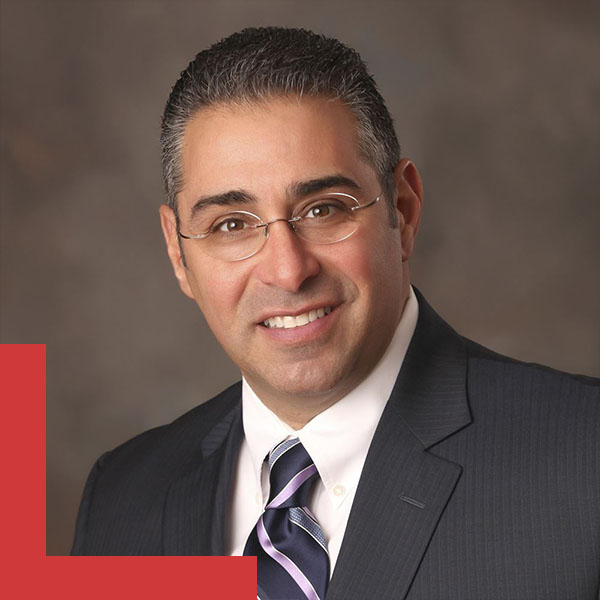
Attorney
Winter Crackdowns: What They Mean for Your Case
Winter crackdowns in New Hampshire typically occur during the holiday season when alcohol-related crashes are more frequent. Law enforcement agencies increase DWI checkpoints, patrols, and roadside sobriety tests, with the goal of reducing the number of impaired drivers on the road. If you’re arrested during a winter crackdown, it’s important to understand that:
- Law Enforcement is More Aggressive: The state’s increased focus on DWI arrests during these periods means there may be more arrests overall. The police will be scrutinizing all drivers more carefully, and the threshold for making an arrest may be lower.
- Harsher Penalties: The winter crackdown could also lead to harsher penalties for those convicted. Judges may impose stiffer fines, longer license suspensions, or even longer sentences, especially if your arrest was part of the increased enforcement efforts. Winter DWI cases often attract more attention, and judges are keen on sending a message about road safety during these months.
- Public Perception: During a crackdown, there’s often more media attention on impaired driving. Being arrested during such a crackdown can sometimes affect public perception and may influence the way the case is handled in court. This makes having legal representation even more crucial to ensure your rights are protected.
The Courtroom Environment During the Winter Months
New Hampshire’s legal environment changes with the seasons. In winter, courts may see a higher volume of DWI cases, especially with the surge in arrests during crackdowns. However, this does not mean that your case will be treated the same way as every other case. Courts can sometimes expedite cases involving DWI during winter crackdowns due to the increased volume, so it’s essential that you understand what to expect:
- Quick Arraignments: With the higher volume of cases, your arraignment might happen very quickly. In some cases, the court may schedule hearings for multiple defendants within a short period, which can make the process seem overwhelming. It is vital to be prepared and to consult with your attorney beforehand.
- More Stricter Court Orders: Depending on your arrest circumstances, winter crackdowns may lead to additional restrictions, such as mandatory alcohol education programs, more frequent court visits, or increased testing. These added conditions could be challenging but are designed to reduce the chances of a repeat offense.
What Happens After the Arraignment?
After your DWI arraignment, the next steps involve several key stages in the legal process. The following may occur after the arraignment:
- Pre-Trial Hearings: After you enter your plea, the case moves into pre-trial motions and hearings. This is where your attorney will start to challenge evidence or negotiate with the prosecution. If there’s a possibility of reducing your charges, this is where your lawyer will do so.
- Plea Bargaining: Depending on the strength of the case against you, your attorney may enter into plea negotiations with the prosecution. Plea bargaining can lead to reduced charges or a more lenient sentence in exchange for a guilty plea.
- Trial: If you do not reach a plea agreement, your case will proceed to trial. At trial, both sides will present their evidence, and a judge or jury will determine your fate.
It’s crucial to have a knowledgeable DWI attorney representing you, as they can guide you through these steps and ensure that your case is handled properly. Having a lawyer who understands how crackdowns impact legal proceedings can be a powerful asset in your defense.
What Are the Legal Penalties for DWI in New Hampshire?
DWI penalties in New Hampshire are serious. The severity of the penalties depends on factors such as whether this is your first offense, your blood alcohol concentration (BAC) level at the time of the arrest, and whether there were any aggravating factors such as a prior history of DWI offenses. Possible penalties include:
- Fines: A conviction could lead to significant fines. These fines could escalate depending on the nature of your offense, with higher fines for repeat offenders or if you were involved in an accident.
- License Suspension: A DWI conviction typically leads to a mandatory license suspension. For first-time offenders, this could last from 90 days to a year, but it could be longer if you have prior offenses.
- Jail Time: While first offenses may not lead to jail time, subsequent convictions can. A third or more offense could result in mandatory jail time.
- Mandatory Alcohol Education: If convicted, you may be required to attend a substance abuse program as part of your sentence. This is designed to address potential issues with alcohol abuse.
During winter crackdowns, the courts may be more inclined to impose these penalties to send a strong message to the public about road safety.
How a New Hampshire DWI Lawyer Can Help You
Having a qualified DWI lawyer is crucial if you’ve been arrested for DWI, especially during a winter crackdown. An experienced lawyer can help you navigate the legal system, challenge evidence, and negotiate with the prosecution. If you’ve been arrested during a winter crackdown, here’s how a lawyer can help:
- Challenging the Evidence: Lawyers can challenge the accuracy of field sobriety tests, breathalyzer tests, and other evidence.
- Negotiating Plea Deals: A lawyer can negotiate with the prosecution for a reduced charge or a lighter sentence.
- Fighting for Your Rights: Having an attorney ensures that your rights are protected throughout the legal process.
At Tenn and Tenn, PA, we understand how the winter crackdown affects DWI cases and are here to provide the representation you need. We offer free consultations to discuss your case and can help you understand the best course of action.
If you’ve been arrested for DWI in New Hampshire, don’t face the legal challenges alone. Contact Tenn and Tenn, PA, today for a free consultation. Our experienced attorneys will guide you through the arraignment process and beyond, helping you secure the best possible outcome.
To learn more about this subject click here: What’s the Difference Between Buzzed Driving and DWI?


 |

 |