






Who Is Responsible for Ice-Damaged Roads in New Hampshire?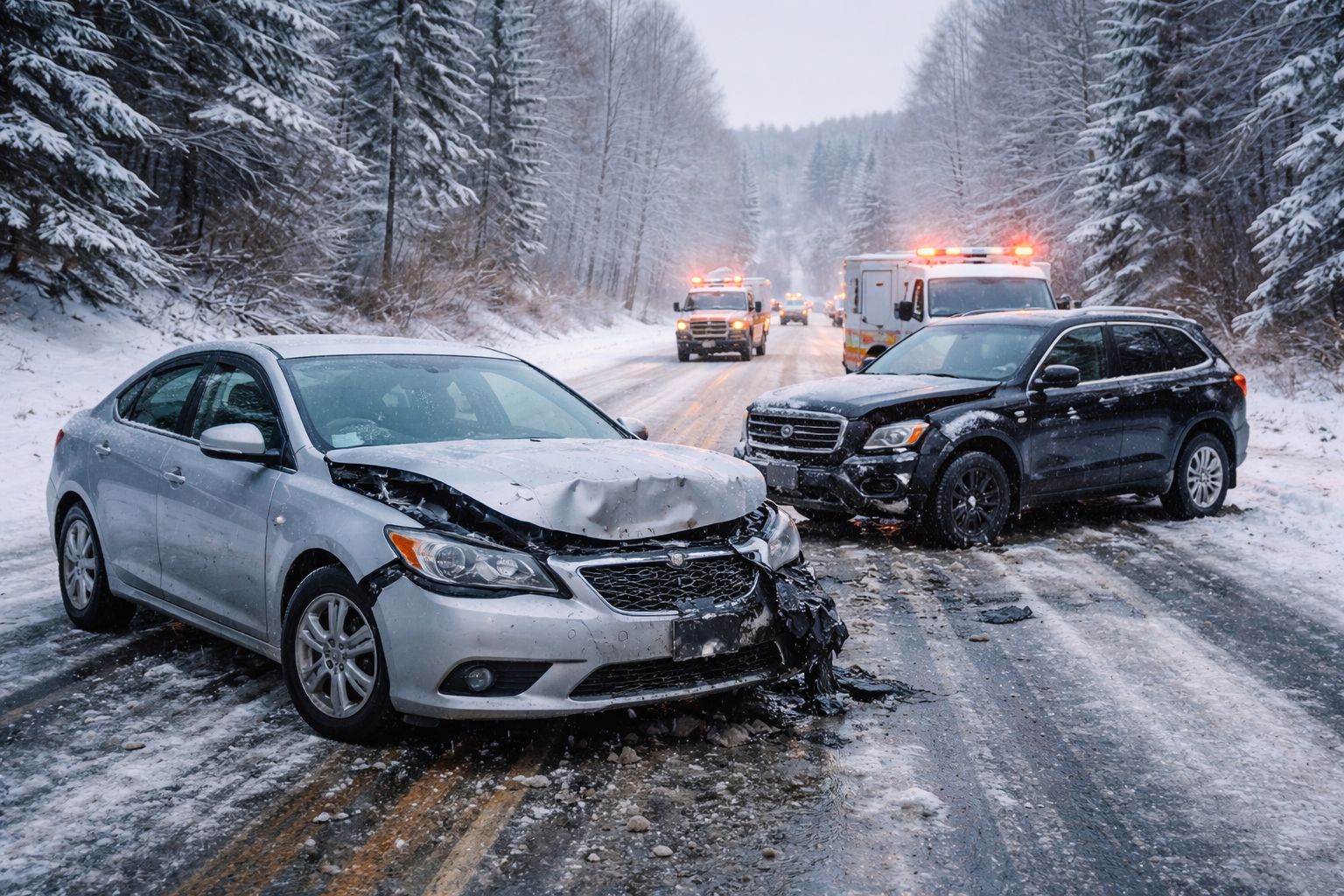
New Hampshire’s harsh winters frequently bring dangerous road conditions, including ice and snow. While the state’s roads are often covered in snow during winter storms, ice can present a much more hazardous risk to drivers. As roads become icy, accidents can occur, often leading to injuries and property damage. But who is responsible for these dangerous conditions, and can someone be held liable for accidents that result?
The state government, local municipalities, and even private property owners may hold responsibility for maintaining safe road conditions. In cases where the roads are icy and a crash happens, it is essential to determine which party—if any—was negligent in their maintenance duties. Tenn And Tenn, PA, understands how complex these cases can be and offers legal guidance to those who find themselves dealing with such accidents.
Government Responsibility and Public Roads
In New Hampshire, government entities at both the state and local levels are generally responsible for ensuring that public roads are safe for travel. This includes the removal of ice and snow from roadways after storms. The state’s Department of Transportation (NHDOT) is tasked with clearing highways, while local municipalities, such as towns and cities, manage their local roads. However, government agencies are not automatically liable for accidents that occur during or immediately after a storm. This is due to discretionary immunity, which protects public entities from being held responsible for decisions made in the course of their duties, such as when and how to clear roads. This immunity is intended to allow government agencies to make decisions based on available resources and the nature of the storm. Despite this, liability can still arise if a government entity fails to take reasonable action. For instance, if a snowstorm was forecast, but a town’s public works department did not adequately clear the roads or apply salt to prevent ice formation, it could be found negligent if a crash occurred as a result. In cases where proper snow or ice removal procedures were ignored or delayed, it’s possible to hold the local or state government accountable.
James J. Tenn, Jr.
Attorney

Mary Elizabeth Tenn
Attorney

John J. Tenn
Attorney
Public Road Maintenance Standards
New Hampshire law requires that public roadways be maintained in a safe condition. The state’s Manual on Uniform Traffic Control Devices outlines specific guidelines for road maintenance, which include clearing roads after snow and ice storms and applying sand or salt to prevent ice buildup. If an accident occurs because of ice on a public road, the question becomes whether the responsible governmental entity followed these guidelines and acted promptly. In situations where a government entity is found to have failed to meet these standards, the injured party may be able to pursue a lawsuit for compensation. This could include damages for medical expenses, lost wages, and pain and suffering resulting from the accident. However, proving negligence in these cases can be challenging, and it requires detailed evidence of the government’s actions (or lack thereof) before, during, and after the storm.Private Property Owners and Liability for Ice
In addition to government responsibility, private property owners may also be held accountable for icy conditions. This is particularly relevant for businesses, residential communities, and any private property that has its own roadway or parking lot. Property owners are legally required to clear snow and ice from their properties to prevent accidents. Private property owners who fail to remove ice and snow from their driveways, parking lots, or internal roads may face liability if an accident occurs as a result. For example, if a business fails to salt its parking lot during freezing conditions, and a customer slips or drives off an icy patch, the business could be held responsible for the injuries or damages caused. For residential areas, homeowners’ associations (HOAs) are often in charge of maintaining common areas such as internal roads and parking lots. If an HOA neglects to maintain these areas and an accident happens, it could be held liable for the damages caused by its failure to act.Millions in Verdicts & Settlements
The attorneys at Tenn And Tenn are ready to help you solve your legal problems and obtain results.
$9,000,000
Pedestrian Accident
$2,225,000
Motorcycle Collision
$2,224,000
CarAccident
The Impact of Weather Conditions on Liability
When an accident occurs due to icy roads, weather conditions play a significant role in determining liability. It is important to consider whether the ice was present due to sudden or unforeseen weather conditions or whether it was a result of neglectful maintenance. For example, a sudden, unexpected ice storm that occurred overnight may not result in liability if a governmental entity or property owner had no time to react. Conversely, if the weather forecast predicted icy conditions and the relevant authorities failed to take adequate preventive measures (such as salting the roads or plowing snow), they could be held accountable for any resulting accidents. Establishing whether the conditions were foreseeable is a critical part of any claim for damages related to icy roads.Liability in Cases of Negligent Maintenance
Negligence is the key factor in determining liability for accidents caused by icy roads. In cases where someone can demonstrate that a government entity or private property owner failed to maintain roads in a safe condition, liability can be assigned to the responsible party. If the road’s condition was hazardous and maintenance measures were either inadequate or ignored entirely, it strengthens the case for liability. In New Hampshire, as in many states, road maintenance often comes under scrutiny after accidents. Investigators and lawyers can review local policies, weather reports, and maintenance records to determine if maintenance procedures were followed. If the responsible party neglected their duties, the injured parties may pursue claims for compensation.The Legal Process for Filing Claims If you have been involved in an accident due to icy road conditions, the legal process can be intricate. Whether the liable party is a government agency or a private property owner, it is important to gather evidence such as photographs, weather reports, and records of road maintenance. Working with a personal injury attorney can help you navigate the process of filing a claim and determine the strength of your case. An experienced attorney can also help negotiate settlements, if applicable, or take the case to court if necessary. Tenn And Tenn, PA specializes in personal injury claims in New Hampshire and can assist in building a strong case to ensure you receive fair compensation for your injuries.
What to Do After an Accident Due to Ice-Damaged Roads If you are involved in an accident due to icy road conditions, there are several steps you should take to protect your rights:
- Document the Scene: Take pictures of the icy conditions, your vehicle, and any visible damage. Also, photograph the surrounding area, including any road signs or conditions that contributed to the crash.
- Report the Incident: File a police report if you haven’t already. This can provide important documentation and support your claim.
- Seek Medical Attention: Even if your injuries seem minor, it’s essential to get checked by a healthcare professional to document your injuries.
- Consult an Attorney: An experienced lawyer can help you determine who is at fault and guide you through the process of filing a claim.