
Key Factors Insurance Adjusters Consider in Winter Weather Claims 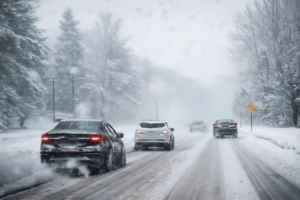
When evaluating a claim related to a winter road accident, insurance companies rely on a combination of evidence, expert analysis, and New Hampshire-specific legal requirements. They examine several factors to determine the severity of the incident and who should be held responsible.
Weather Conditions at the Time of the Accident
One of the first things insurance adjusters will look at is the weather conditions at the time of the accident. Snow, freezing rain, sleet, and even dense fog are common culprits of accidents in New Hampshire. Adjusters will review weather reports, including temperature, visibility, and precipitation levels. If it was snowing heavily or if there had been freezing rain prior to the incident, this could significantly affect the case’s outcome.

James J. Tenn, Jr.
Attorney

Mary Elizabeth Tenn
Attorney

John J. Tenn
Attorney
Working hard to obtain the best results possible for our clients and fighting to protect their rights.
Road Conditions: Salted, Plowed, or Icy?
While weather plays a significant role, road conditions are equally crucial. Has the road been salted or plowed recently? Was it untreated and covered in snow or ice? Insurance adjusters will closely investigate these factors. Roads that are properly treated and cleared tend to result in fewer accidents, but untreated or icy roads are a significant contributing factor. Claims related to untreated roads may even lead to negligence claims against local or state authorities if they failed to maintain the roads adequately.Driver Behavior and Negligence
Insurance companies are particularly interested in determining whether the driver was negligent in their actions. Even in severe winter conditions, drivers are expected to adjust their behavior accordingly. This includes reducing speed, maintaining a safe distance from other vehicles, and adjusting their driving technique for slippery roads. For example, driving too fast for snowy conditions can result in a higher chance of accidents and is a major factor in the evaluation of a claim.Eyewitness Testimonies and Police Reports
Accidents involving multiple vehicles or unclear circumstances often require eyewitness testimonies and police reports to clarify fault. Witness statements and official accident reports provide essential context. These documents help insurance companies understand exactly how the accident occurred, the sequence of events, and if there were any additional circumstances involved.Comparing Fault and Compensation in New Hampshire’s Legal Landscape
New Hampshire operates under a no-fault insurance system, meaning that individuals involved in an accident file claims through their own insurance companies, regardless of who caused the accident. This system, however, has exceptions. If the damages are significant, or if serious injuries occurred, the at-fault driver’s insurance may become involved.New Hampshire’s No-Fault System
In a no-fault system, drivers typically do not need to prove who caused the accident to receive compensation for their medical bills and lost wages. However, when claims involve serious injuries or significant property damage, fault becomes crucial. In these situations, insurance companies will review the severity of the weather and road conditions alongside driver negligence to assess the final outcome.What Happens If You’re Found to Be At Fault?
If an insurance company determines that you were at fault for the accident, the consequences could extend beyond just paying for damages. Depending on the severity of the accident, you may face higher premiums or even legal repercussions if there were severe injuries involved. If you failed to adjust to road conditions or were driving recklessly, your insurance may cover damages to the other party, but your own costs could increase substantially.The Role of Personal Injury Protection (PIP) Coverage
Personal Injury Protection (PIP) is an essential element in winter-related accidents, as it provides coverage for medical expenses, lost wages, and other accident-related expenses regardless of who is at fault. For residents of New Hampshire, this is particularly crucial during the winter months when accidents are more likely. PIP ensures that individuals involved in accidents are financially protected in case of injury, even in instances of harsh winter conditions that may make it difficult to determine fault immediately.Steps to Take After a Winter Accident
If you’re involved in a winter road accident in New Hampshire, there are several steps you should follow to ensure your claim is processed properly:- Document Everything: Take pictures of the accident scene, focusing on road conditions, vehicle damage, and any weather-related factors. Include pictures of the surrounding area if possible, to show how road conditions may have contributed to the accident.
- Contact Authorities: Call the police to file a report, especially if the accident involves injuries or significant property damage. The police report is critical for insurance companies to determine fault.
- Exchange Information: Make sure to exchange insurance information with the other driver involved in the accident. Also, gather any contact details from witnesses who may have seen the accident.
- Contact Your Insurance Company: Notify your insurance company immediately. In New Hampshire, your own insurance coverage will typically cover damages related to minor accidents, but you may need to provide a police report and other documentation to support your claim.