
The Role of Breath Tests in DWI Arrests 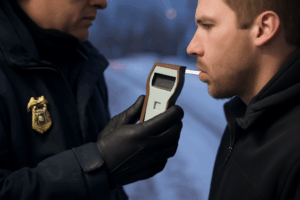
Breath tests are used by police to determine a driver’s blood alcohol content (BAC). In New Hampshire, the legal limit for BAC is 0.08%. If a driver’s BAC is measured at or above this threshold, they can be arrested for DWI. Breath tests are typically conducted using a device known as a breathalyzer. These machines analyze the alcohol content in a driver’s breath and provide an estimate of their BAC.
While breath tests are one of the most common methods used to assess a driver’s intoxication, they are not always foolproof. Several factors can influence the results, including the driver’s physical condition, the maintenance of the breathalyzer machine, and environmental factors such as cold weather.


James J. Tenn, Jr.
Attorney

Mary Elizabeth Tenn
Attorney

John J. Tenn
Attorney
Working hard to obtain the best results possible for our clients and fighting to protect their rights.
How Cold Weather Impacts Breathalyzer Accuracy
Breathalyzer machines are designed to detect the alcohol content in a person’s breath. However, extreme environmental conditions, such as the cold temperatures common in New Hampshire winters, can affect the accuracy of these tests.- Condensation and Temperature Effects: When a driver exhales into the breathalyzer, the cold air can cause condensation in the machine. This can lead to water vapor interfering with the alcohol measurement, potentially leading to an incorrect BAC reading. The colder the air, the more likely it is that condensation will form, which could distort the breathalyzer’s results.
- Mouth Alcohol: Another important factor in cold weather DWI arrests is the presence of mouth alcohol. Mouth alcohol can occur when alcohol residue from the driver’s mouth, throat, or stomach is not fully expelled before the breath test is administered. In colder weather, conditions like excessive saliva or the inability to expel the mouth alcohol properly can result in an inaccurate BAC reading. For example, if the driver has recently consumed alcohol or used a mouthwash that contains alcohol, this could distort the test result.
- Physiological Effects of Cold Weather: The cold can also affect how the body processes alcohol. For example, a person’s body temperature may be lower during a cold-weather arrest, which could affect how alcohol is absorbed and exhaled through the breath. A lower body temperature may cause the breathalyzer to interpret the sample differently, leading to a higher BAC reading than what is accurate.
How to Challenge Breath Test Results in Cold-Weather DWI Cases
If you have been arrested for DWI in New Hampshire after a breath test, there are several ways in which you may be able to challenge the breath test results. These challenges are particularly important in cold-weather arrests, where the accuracy of the breathalyzer test may be in question due to the factors mentioned above.- Inaccurate Calibration of the Breathalyzer: Breathalyzer machines must be regularly calibrated to ensure they provide accurate readings. If the machine wasn’t properly calibrated before the test was administered, the results could be inaccurate. Cold weather can exacerbate calibration issues, especially if the machine was not warmed up to the correct temperature before use. Your attorney can request documentation showing the last calibration and maintenance checks to determine if the machine was functioning properly at the time of your test.
- Failure to Follow Proper Testing Protocol: Police officers must follow strict procedures when administering breath tests. These procedures include ensuring the driver does not consume any food or beverages, including alcohol, for a specified period before the test. In cold weather conditions, officers may rush through the process, assuming that conditions are normal, and fail to wait long enough for the mouth alcohol to dissipate. If the proper protocols were not followed, your attorney may be able to challenge the results.
- The Impact of Mouth Alcohol: As mentioned, mouth alcohol can have a significant impact on the accuracy of breath tests. If the officer did not wait long enough to allow the driver’s mouth to clear of any alcohol residue, this could lead to an inflated BAC result. In some cases, the driver may not have been properly observed for the required time before the test, giving time for mouth alcohol to remain in the driver’s system. Your attorney may argue that mouth alcohol interfered with the test results, making them unreliable.
- Environmental Conditions and Breathalyzer Reliability: The environmental factors, including extreme cold, should also be considered when challenging breath test results. The officer’s failure to account for the cold weather when administering the test could be a significant defense. A properly trained defense attorney can argue that the cold conditions affected the accuracy of the breathalyzer reading, especially if the officer did not take steps to ensure the machine was functioning properly in those temperatures.