










The Unpredictable Weather of Early Spring in New Hampshire 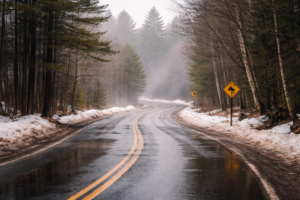
New Hampshire’s weather is infamous for its unpredictability, and springtime can bring some of the most volatile conditions. Unlike the steady snowfall in the winter, early spring offers a complex mix of rain, snow, ice, and sun. These fluctuating temperatures often lead to road conditions that are difficult to navigate. Understanding these changes can help drivers mitigate the risks posed by the weather.
Melting Snow and Ice
One of the main culprits of early spring accidents in New Hampshire is melting snow and ice. The transition from winter to spring is not always as smooth as it seems. Even when temperatures rise above freezing during the day, overnight cooling can cause water to refreeze. This results in dangerous patches of ice, particularly in the early morning hours or late at night when roads are less trafficked. These icy spots can be difficult to spot and often lead to loss of traction and skidding, especially on bridges and overpasses where the temperature fluctuates more rapidly. Furthermore, the melting snow may leave behind large puddles of standing water, which can obscure potholes or hidden cracks in the road. Even well-maintained highways become hazardous when drivers fail to adjust their speed and driving habits to account for these hidden dangers.
James J. Tenn, Jr.
Attorney

Mary Elizabeth Tenn
Attorney

John J. Tenn
Attorney
Rain, Snow, and Slippery Roads
Spring rains are another significant hazard for New Hampshire drivers. The combination of snowmelt and rain leads to slick and wet roads that reduce traction. Additionally, rain can quickly turn a wet road into a dangerous surface, especially when mixed with oil residue left on roads from the winter months. When temperatures hover just above freezing, it creates a perfect storm for slick conditions. Wet roads, combined with speeding, can lead to rear-end collisions, hydroplaning, or even cars veering off the road. While snow may no longer be as frequent as during the winter months, it is still common in the early spring. Snowstorms can happen unexpectedly, especially in the mountainous areas of New Hampshire. These sudden shifts in weather often take drivers by surprise, leading to accidents. It’s essential to remain prepared for snow even as the calendar shifts into spring.Road Conditions in Early Spring: Potholes and Frost Heaves
The toll of New Hampshire’s harsh winters on its roads becomes most apparent in early spring. Frost heaves, cracks, and potholes make driving hazardous. Winter’s freeze-and-thaw cycle causes roads to crack and buckle, creating potentially dangerous obstacles that may not be immediately noticeable, especially when snow or rain obscures them. Hitting a large pothole at high speed can damage your vehicle or cause you to lose control, potentially leading to a serious crash. Potholes can be particularly dangerous on rural roads, which are often less well-maintained than highways. Many drivers in New Hampshire are familiar with the sudden jolt of hitting a pothole. In early spring, these hazards are often covered by snowmelt or puddles, making them harder to spot until it’s too late. The combination of hidden potholes and slippery road surfaces significantly increases the risk of accidents, especially for drivers who aren’t prepared for these sudden obstacles.Millions in Verdicts & Settlements
The attorneys at Tenn And Tenn are ready to help you solve your legal problems and obtain results.
$9,000,000
Pedestrian Accident
$2,225,000
Motorcycle Collision
$2,224,000
CarAccident