
If you’ve recently found yourself facing a situation where you’ve been stopped at a DWI checkpoint in New Hampshire, you may be feeling overwhelmed and unsure of what to do next. At Tenn And Tenn, PA, we understand how confusing and stressful these situations can be. Whether it was your first time being stopped or you’re dealing with the aftermath of a charge, we are here to offer guidance and support. We know that you’re likely worried about what happens next and how to deal with the potential legal consequences. The good news is that you don’t have to navigate this alone. Our firm is here to help guide you through the legal process with confidence and empathy, providing you with the legal defense you need to achieve a successful outcome in your case.
DWI checkpoints, commonly referred to as sobriety checkpoints, are a common law enforcement tactic used in New Hampshire to deter impaired driving. However, many people don’t fully understand how these checkpoints work and whether they are even legal. In this blog, we’ll break down the legality of DWI checkpoints, what your rights are if you are stopped at one, and how you should respond. If you find yourself in need of legal assistance, we are here to help you every step of the way.
Understanding DWI Checkpoints in New Hampshire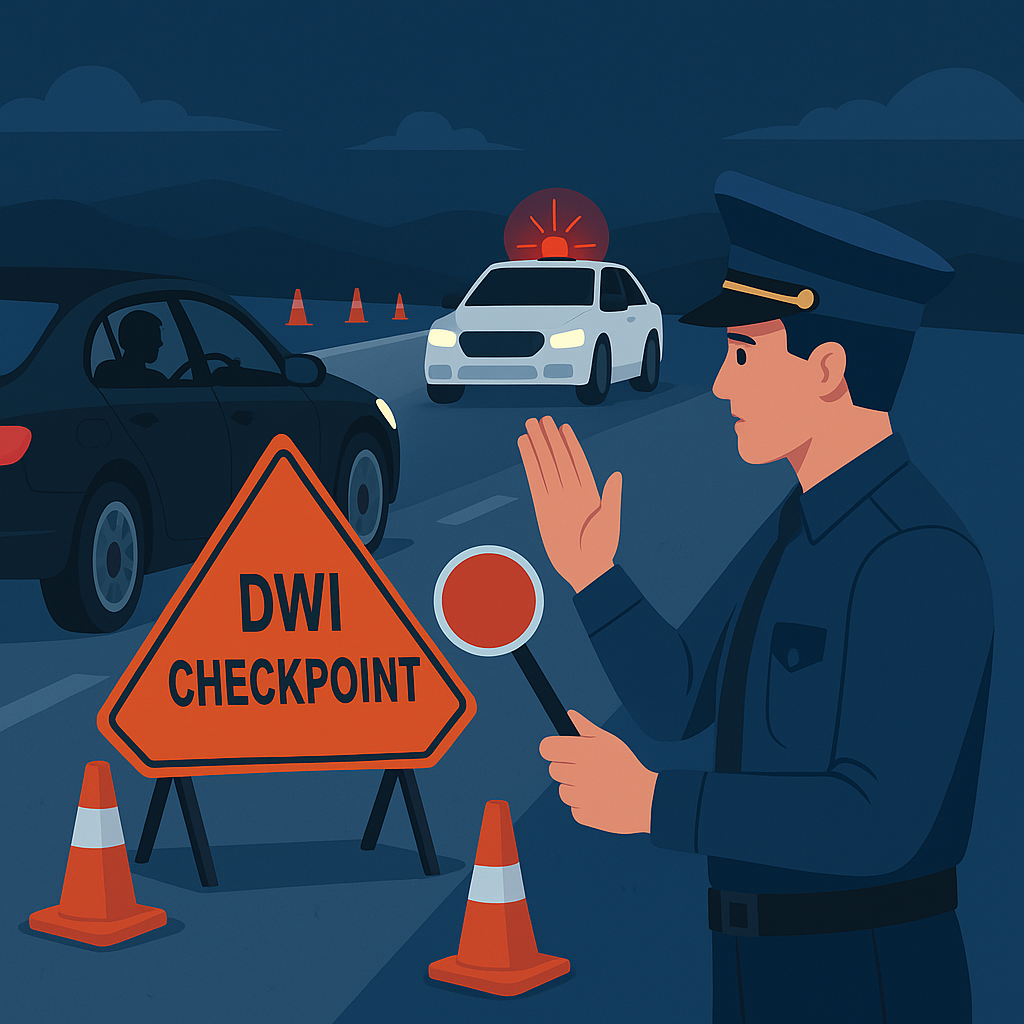
DWI checkpoints are locations set up by law enforcement officers to stop drivers in a systematic way. These checkpoints are designed to catch drivers who may be driving under the influence of alcohol or drugs. Officers stop vehicles at these locations and check drivers for signs of impairment. New Hampshire law enforcement uses these checkpoints as part of their strategy to keep the roads safe and prevent drunk driving accidents.
While DWI checkpoints may seem like an inconvenience, they are a common practice throughout the United States. They are set up at various times and locations, often during the holidays or busy weekend nights when there’s an increased risk of impaired driving. The goal is to stop as many vehicles as possible in a short period to screen for any signs of intoxication or impairment.
Are DWI Checkpoints Legal in New Hampshire?
Yes, DWI checkpoints are legal in New Hampshire. The New Hampshire Supreme Court has upheld the use of sobriety checkpoints, agreeing that they serve a legitimate public safety purpose. However, certain rules must be followed to ensure these checkpoints are lawful. Law enforcement agencies must notify the public about where and when a checkpoint will be held, typically through media outlets. Officers must follow a set protocol for selecting which vehicles to stop, ensuring fairness in the process. The primary concern with DWI checkpoints is balancing public safety with individual rights. Officers cannot search your vehicle without a valid reason, and they must have a lawful basis for stopping your vehicle. New Hampshire law also requires that the checkpoint be reasonable in its location and timing, ensuring it does not cause unnecessary delays or disrupt traffic flow.
What to Expect at a DWI Checkpoint in New Hampshire
When you approach a DWI checkpoint, you will be stopped by an officer who will ask for your driver’s license, registration, and proof of insurance. The officer may ask if you have been drinking or using drugs. They are trained to look for signs of impairment such as bloodshot eyes, slurred speech, or an odor of alcohol.
While you are required to comply with basic requests such as showing your license and registration, you are not obligated to answer questions about whether you have been drinking or using drugs. You can politely refuse to answer these questions if you choose. Keep in mind that refusal to answer doesn’t give officers a reason to arrest you or search your vehicle, but it is crucial to remain respectful and cooperative during the encounter.
If the officer believes there is probable cause to suspect that you are impaired, they may ask you to perform field sobriety tests or take a breathalyzer test. You have the right to refuse these tests, but refusal may lead to additional legal consequences, including automatic license suspension.
What to Do if You Are Stopped at a DWI Checkpoint
Getting stopped at a DWI checkpoint can be stressful, but it’s important to know how to handle the situation. First, stay calm. Keep your cool and be respectful to the officer. Getting frustrated or argumentative can escalate the situation and may lead to additional problems. Have your documents ready. Make sure your driver’s license, registration, and proof of insurance are easily accessible. This can help avoid unnecessary delays and demonstrate that you are cooperating with the officer’s requests. Know your rights. You are not required to answer questions about whether you’ve been drinking or using drugs. While you must comply with basic requests, such as showing your license, you have the right to remain silent about anything beyond that. If asked to perform field sobriety tests, you do have the option to refuse. However, refusing a test could have consequences, such as an automatic license suspension. Always remain polite and cooperative with the officers, even if you decide to refuse certain tests. Aggressive or uncooperative behavior may lead to more serious consequences.
How We Can Help You with Your DWI Case
If you have been arrested or charged after being stopped at a DWI checkpoint in New Hampshire, it’s essential to speak with an attorney as soon as possible. A DWI charge can have serious consequences, including fines, license suspension, and even jail time. At Tenn And Tenn, PA, we are committed to providing you with the legal support and representation you need to navigate this challenging time.
Our team understands the confusion and anxiety that comes with facing DWI charges. We will work with you to investigate the circumstances surrounding your checkpoint stop, challenge any unlawful aspects of the stop, and defend your rights throughout the legal process. Whether you need help fighting a DWI charge or negotiating a reduced sentence, we are here to assist.
We believe in providing our clients with personalized attention and guiding them through the legal system with empathy and understanding. Our goal is always to help you achieve the best possible outcome for your case, and we will do everything we can to protect your future.
If you have been arrested or charged after a DWI checkpoint in New Hampshire, don’t wait to get the legal help you need. Reach out to Tenn And Tenn, PA, today to schedule a consultation and let us help you protect your rights and fight for the best possible result in your case.
To learn more about this subject click here: What’s the Difference Between Buzzed Driving and DWI?


 |

 |